The Daily Observer

We observe, you read and decide

Automotive

Expert tips for cafe racer builds projects

Master your cafe racer project with expert tips on planning, component selection, electrical systems, and safety. Build with confidence.

Embarking on a custom motorcycle project, especially Cafe racer builds, requires patience, skill, and careful planning. From sourcing the right donor bike to fine-tuning the aesthetics and ensuring roadworthiness, each step presents unique challenges and rewards. My experience over several decades in workshops across the US has taught me that meticulous preparation and a clear vision are paramount to success. Skipping critical steps often leads to frustration and costly rework later on.

Overview

  • Begin with a solid plan, detailing your vision, budget, and desired outcome for the Cafe racer builds.
  • Select a suitable donor bike, prioritizing frame integrity and engine condition over superficial looks.
  • Prioritize safety features like braking, suspension, and lighting throughout the entire process.
  • Mastering the electrical system is crucial; simplify wiring where possible, but never compromise on functionality.
  • Document every step with photos and notes, aiding future maintenance and troubleshooting.
  • Invest in quality tools and learn proper techniques to achieve a professional finish.
  • Budget realistically for parts, tools, and unexpected issues, setting aside contingency funds.

Planning Your Cafe racer builds Project

A successful project starts long before you turn the first wrench. Begin by defining your exact aesthetic and functional goals. What kind of rider are you? What roads will you ride? Research existing designs, but strive for your own interpretation. This initial phase includes establishing a realistic budget. Factor in the donor bike, new components like suspension and brakes, tires, electrical parts, paint, and unexpected repairs. Always add a 15-20% contingency.

Next, consider your skill set and available tools. Are you comfortable with welding, wiring, or engine work? Be honest about your limitations. Outsourcing specialized tasks like engine rebuilds or professional paint jobs can save time and deliver better results, even if it adds to the cost. A clear project timeline, broken into phases, also helps maintain momentum and track progress. This blueprint will guide every decision you make.

Selecting the Right Donor Bike and Components

Choosing the right donor motorcycle is foundational. Honda CBs, Kawasaki KZ series, Yamaha XS models, and Suzuki GS bikes from the 70s and 80s are popular for a reason; parts availability and relative simplicity make them excellent candidates. Focus on the frame’s condition – look for rust, cracks, or previous accident damage. A straight frame saves immense headaches later. Engine condition is another key factor. A running engine, even if tired, is a better starting point than a seized one.

After the donor, component selection impacts both performance and aesthetics. For suspension, upgrading forks with progressive springs or installing modern shocks greatly improves handling. Braking systems often need an overhaul; modern calipers and braided lines are a worthwhile investment. Lightweight wheels and performance tires enhance agility. Always verify component compatibility with your chosen donor bike. Don’t overlook the smaller details like clip-on handlebars, rear sets, and a classic cafe seat, which define the look.

Electrical Systems and Wiring in Cafe racer builds

Electrical work can be daunting, but a clean, reliable system is non-negotiable for Cafe racer builds. Many older bikes feature complex, aged wiring harnesses prone to shorts and failures. The best approach is often to strip it down and build a new, simplified loom. Start by mapping out essential components: ignition, charging system, headlights, taillights, turn signals, and horn. Use a wiring diagram specific to your donor bike as a reference, then adapt it to your minimalist design.

Good quality connectors, heat-shrink tubing, and appropriate gauge wire are critical for longevity. Relocate components like the battery, regulator/rectifier, and ignition module to discrete locations for a cleaner look. Consider adding a modern M-unit or similar digital control module; these simplify wiring significantly and add functionality like integrated turn signal relays. Proper grounding is vital for all electrical circuits. Take your time, test each circuit thoroughly, and label wires if needed.

Finishing Touches and Roadworthiness

As your Cafe racer builds project nears completion, the focus shifts to aesthetics and, more importantly, ensuring it’s safe and legal for the road. Attention to detail in the finishing touches makes a huge difference. High-quality paint, polished metal, and a comfortable yet stylish seat complete the visual appeal. Ensure all fasteners are properly torqued, and no wires are exposed or chafing. This is where meticulousness pays off.

Before the first ride, conduct a thorough inspection. Check all fluid levels, tire pressures, and brake operation. Test every light, horn, and switch. Ride the bike gently at first, listening for unusual noises and feeling for odd handling characteristics. Adjust carburetor tuning, chain tension, and control lever positions. Finally, confirm your build complies with local motor vehicle regulations, especially concerning lighting, mirrors, and exhaust noise. Getting it right ensures enjoyment for years to come.

Choosing adventure bike luggage systems

Practical advice for selecting adventure bike luggage systems. Learn about hard vs. soft bags, mounting, packing, and trip-specific choices for touring.

When preparing for an adventure on two wheels, choosing the right adventure bike luggage system is crucial. It’s not just about carrying your gear; it’s about how that gear impacts your ride, safety, and overall experience. My own journeys have taught me that a well-chosen setup can make or break a trip, whether it’s a weekend escape or a multi-week expedition across varying terrains.

Overview:

  • Adventure bike luggage systems vary significantly in type, from hard cases to soft bags.
  • The choice depends on the terrain, trip duration, and personal riding style.
  • Mounting systems are critical for security, stability, and weight distribution.
  • Proper packing techniques ensure safety, accessibility, and waterproofing.
  • Hard panniers offer security and weather protection, but soft luggage often excels off-road.
  • Consider bike compatibility and how the luggage integrates with your motorcycle’s design.
  • Budget, capacity needs, and durability are key factors in decision-making.

Hard vs. Soft Adventure bike luggage

The debate between hard cases and soft bags is a long-standing one among adventure riders. Each type of adventure bike luggage has distinct advantages and drawbacks. Hard panniers, typically made from aluminum or robust plastics, offer superior security against theft and excellent impact protection for contents. They are often waterproof, easy to clean, and provide a stable platform for strapping additional items. However, they are heavier, rigid in a fall (which can damage the subframe), and wider, making tight squeezes challenging.

Soft luggage, including panniers, duffels, and tank bags, is generally lighter and more forgiving in a crash. They flex and absorb impacts, often preventing subframe damage and being easier to repair or replace on the road. Many soft bags are highly water-resistant or come with internal dry bags. Their flexibility also allows for varied packing and often provides better weight distribution when packed correctly. The trade-off is often less security against theft and sometimes less protection for delicate items. My preference leans towards soft luggage for aggressive off-road riding, while hard cases suit long-distance road touring where security is paramount.

Mounting Systems and Bike Compatibility

Beyond the choice between hard and soft, the mounting system is paramount. Hard panniers usually require a dedicated, bike-specific rack system. These racks bolt to the motorcycle’s subframe, providing a secure and stable attachment point. Some systems offer quick-release mechanisms, allowing easy removal. Soft luggage can also use racks, or many modern designs strap directly over the seat and onto the passenger peg mounts or other frame points, eliminating the need for bulky side racks.

It’s vital to ensure any system is compatible with your specific bike model. Poorly fitted luggage can affect handling, block access to maintenance points, or even interfere with controls. Always check for clearance with exhaust systems, turn signals, and passenger comfort if you ride two-up. Proper weight distribution is also a concern; heavy items should be placed low and as close to the bike’s center as possible. Brands catering to the US market offer a wide array of options for various makes and models.

Packing Strategies for Adventure bike luggage

Effective packing is an art form that significantly impacts your ride. First, distribute weight evenly. Heavy items, like tools or water, should be placed low in panniers or close to the bike’s center of gravity. This helps maintain stable handling. Think about accessibility: items you need frequently, such as rain gear, snacks, or a camera, should be easy to reach without unpacking everything. Tank bags are excellent for these quick-access items.

Waterproofing is non-negotiable. Even “waterproof” bags can fail in persistent rain or river crossings. Using internal dry bags or robust plastic trash bags as liners provides an extra layer of protection for electronics and clothing. Compartmentalize your gear using stuff sacks or small bags; this makes finding items easier and keeps your adventure bike luggage organized. Avoid overstuffing, as this can strain zippers and straps, leading to failures on the road. A balanced load ensures a safer and more enjoyable journey.

Choosing Adventure bike luggage for Different Trips

The ideal adventure bike luggage system isn’t static; it evolves with the type of trip you’re planning. For short weekend rides, a minimalist setup often suffices: a medium-sized dry bag strapped to the rear rack, a tank bag, and perhaps a small set of soft panniers. This keeps the bike light and agile. For extended touring, greater capacity and security become more important. Hard panniers often shine here, paired with a large duffel and a tank bag, offering ample space for clothes, camping gear, and spares.

For technical off-road expeditions, agility and crash resilience are paramount. Soft luggage systems are usually preferred due to their flexibility and reduced risk of bike damage during falls. They also allow the rider

How to upgrade gps vehicle tracking system features?

Learn how to upgrade your gps vehicle tracking system features for better fleet management. Improve efficiency, safety, and operational insights with advanced technology.

Key Takeaways

  • Upgrading your gps vehicle tracking system is vital for staying competitive and efficient in today’s dynamic business environment.
  • Thoroughly assess your current system’s limitations, operational challenges, and future business needs before starting any upgrade.
  • Modern gps vehicle tracking system features offer advanced telematics, real-time AI-driven insights, superior safety protocols, and robust integration capabilities.
  • A structured upgrade process, from vendor research and pilot testing to full implementation and staff training, is essential for a smooth transition.
  • Continuous monitoring, regular software updates, and ongoing user education are crucial to fully leverage the benefits of your newly upgraded gps vehicle tracking system.

In today’s fast-paced commercial world, managing a fleet efficiently is paramount for any business operating vehicles. A robust gps vehicle tracking system is no longer just a luxury; it’s a fundamental tool for operational oversight, cost control, and accountability. However, technology evolves rapidly, and what was cutting-edge five years ago might now be hindering your business rather than helping it grow. For many organizations, the question isn’t whether to use a tracking system, but rather, “How do I upgrade my existing gps vehicle tracking system features to meet current demands and future challenges?”

Outdated systems can lead to missed opportunities, inefficient operations, and an inability to gather critical data for informed decision-making. This article will walk you through the essential steps and considerations for upgrading your gps vehicle tracking system, ensuring your fleet management capabilities remain at the forefront. Whether you operate a small local delivery service or a large national logistics company, understanding how to enhance your tracking technology is key to maintaining a competitive edge and fostering growth, especially for businesses operating in Australia where logistical efficiency is highly valued.

Why Upgrade Your Current GPS Vehicle Tracking System?

Even a functional gps vehicle tracking system can become a liability if its features are no longer sufficient for your operational needs. The primary reasons for an upgrade often stem from limitations in data collection, processing, and application. Older systems might offer basic location tracking, but they often fall short in providing the deeper insights necessary for modern fleet management.

For instance, an aging system may lack the precision needed for accurate fuel consumption monitoring, leading to unnecessary expenses. It might also struggle with real-time data processing, delaying critical alerts about driver behavior or vehicle health. The absence of advanced analytical tools means you’re operating on intuition rather than data-driven facts. Security risks also increase with outdated software, as it may not be equipped with the latest encryption and protection protocols against cyber threats or unauthorized access to sensitive fleet data.

Upgrading your gps vehicle tracking system features directly translates into tangible business benefits. These include significant reductions in fuel costs through better route optimization and driver behavior monitoring, improved safety records due to immediate incident reporting and driver coaching, and enhanced customer satisfaction from more accurate delivery times and proactive communication. Furthermore, a modern system can reduce vehicle wear and tear by flagging maintenance needs early, extending the lifespan of your assets and minimizing costly downtime. It’s about moving from simply knowing where your vehicles are, to understanding how they are performing, why they are performing that way, and how to improve their performance continuously.

Assessing Your Current GPS Vehicle Tracking System Needs

Before embarking on any upgrade, a thorough assessment of your existing gps vehicle tracking system and your current business requirements is crucial. Start by identifying the pain points you encounter daily with your current setup. Are you frequently missing crucial data? Do you struggle with manual reporting? Are drivers complaining about system inaccuracies or limitations? Document these issues meticulously.

Next, consider your business goals for the next 3-5 years. Are you planning to expand your fleet? Entering new service areas? Aiming for specific sustainability targets? Your upgraded gps vehicle tracking system must be able to support these aspirations. Think about the types of data that would be most valuable to your operations. Do you need more detailed driver performance metrics? Real-time temperature monitoring for refrigerated units? Integrated dashcam footage for accident analysis?

Engage your team members who interact with the system daily – drivers, dispatchers, fleet managers, and even accounting personnel. Their insights will reveal practical gaps and desires that might not be apparent from a management perspective alone. Understanding what they need to perform their jobs more effectively will directly inform the feature set of your new system. This comprehensive needs analysis will form the foundation for selecting the right upgrade path and ensure that your investment in a new gps vehicle tracking system yields maximum returns.

Upgrading Your GPS Vehicle Tracking System for Advanced Telematics and Analytics

One

Brake System Innovations Global Market Growth Rise

The global brake system market is experiencing significant growth, driven by continuous advancements and a growing demand for safer, more efficient, and higher-performing braking solutions across various industries. From passenger vehicles to heavy-duty trucks and industrial machinery, Brake System Innovations are reshaping how we approach braking technology, leading to enhanced safety, reduced emissions, and improved overall performance.

Key Takeaways:

  • The brake system market is seeing strong growth, driven by the need for safer and more efficient braking.
  • Brake System Innovations, like regenerative braking and advanced materials, are key drivers of this growth.
  • Stringent safety regulations and a focus on environmental sustainability are boosting the adoption of new braking technologies.
  • The automotive and industrial sectors are leading the way in adopting these innovations.

Understanding the Drivers Behind Brake System Innovations

Several factors are contributing to the rapid growth and evolution of Brake System Innovations. The increasing emphasis on vehicle safety, coupled with stringent government regulations regarding braking performance, is pushing manufacturers to develop and implement advanced braking systems. Automakers are investing heavily in research and development to meet evolving safety standards and consumer demands. Moreover, the growing adoption of electric and hybrid vehicles is further accelerating the demand for innovative braking solutions such as regenerative braking, which captures energy during deceleration, improving fuel efficiency and reducing emissions. In addition, rising concerns about environmental sustainability are compelling manufacturers to explore eco-friendly materials and manufacturing processes for brake systems. As people are more conscious of their environmental footprint, this trend will continue to shape the future of braking technology.

The Impact of Advanced Materials on Brake System Innovations

The use of advanced materials is playing a crucial role in shaping Brake System Innovations. Traditional brake systems often rely on cast iron components, which can be heavy and contribute to vehicle weight. However, newer materials like carbon ceramics, lightweight alloys, and composites are increasingly being used to improve brake system performance. Carbon ceramic brakes, for example, offer exceptional stopping power, heat resistance, and durability, making them ideal for high-performance vehicles. Similarly, the use of lightweight alloys in brake calipers and rotors can reduce overall vehicle weight, leading to improved fuel efficiency and handling. These materials offer improved strength-to-weight ratios and contribute to extended brake life, reducing maintenance costs and improving overall reliability. These innovations are contributing to lighter, more efficient, and more durable brake systems. These materials allow us to create braking systems that are not only more effective but also more environmentally friendly.

The Role of Technology in Brake System Innovations

Technological advancements are significantly impacting Brake System Innovations. Electronic Stability Control (ESC), Anti-lock Braking Systems (ABS), and Automatic Emergency Braking (AEB) systems are becoming increasingly common in modern vehicles, enhancing safety and preventing accidents. These systems utilize sophisticated sensors and algorithms to monitor vehicle dynamics and automatically apply brakes when necessary, helping drivers maintain control in challenging driving conditions. Furthermore, the development of connected and autonomous vehicles is driving the need for even more advanced braking systems that can communicate with other vehicle systems and infrastructure. These systems will play a crucial role in ensuring the safe and reliable operation of autonomous vehicles, allowing them to navigate complex traffic situations and avoid collisions. The integration of artificial intelligence (AI) and machine learning (ML) is also enabling the development of predictive braking systems that can anticipate potential hazards and proactively apply brakes, further improving safety.

Global Market Growth and Future Trends in Brake System Innovations

The global market for Brake System Innovations is expected to continue its upward trajectory in the coming years. The increasing demand for safer and more efficient vehicles, coupled with stringent government regulations and growing environmental concerns, is driving the adoption of advanced braking technologies across various regions. The automotive sector is expected to remain the largest market for brake systems, driven by the growing production of passenger cars and commercial vehicles. However, the industrial sector is also expected to witness significant growth, driven by the increasing adoption of advanced braking systems in heavy machinery and equipment. Emerging markets in Asia-Pacific and Latin America are expected to offer significant growth opportunities for brake system manufacturers, driven by rapid urbanization and increasing vehicle sales. The future of brake systems will likely be shaped by further advancements in materials science, electronics, and software, leading to even safer, more efficient, and more reliable braking solutions.

Lubricants Performance Global Market Growth Insights

The global market for Lubricants (Performance) is experiencing significant growth, driven by increased demand from various industries, including automotive, manufacturing, and construction. As technology advances and equipment becomes more sophisticated, the need for high-quality lubricants capable of withstanding extreme conditions increases. This article dives into the factors fueling this growth, examines regional trends, and forecasts the future of the Lubricants (Performance) market.

Key Takeaways:

  • The global Lubricants (Performance) market is growing due to demands from industries such as automotive and manufacturing.
  • Asia-Pacific is currently the largest market, but North America and Europe are showing substantial growth.
  • Technological advancements and sustainability concerns are shaping the future of Lubricants (Performance), emphasizing bio-based and synthetic options.

Understanding the Drivers Behind Lubricants (Performance) Market Growth

The rise of the Lubricants (Performance) market can be attributed to several key factors. Firstly, the automotive industry is a significant consumer. With increasing vehicle production, particularly in developing countries, the demand for engine oils, transmission fluids, and other automotive lubricants is steadily rising. Stringent emission regulations are pushing manufacturers to develop more fuel-efficient vehicles, which, in turn, requires advanced lubricants to reduce friction and improve engine performance.

Secondly, the industrial sector plays a crucial role. Manufacturing plants rely on high-performance lubricants to keep their machinery running smoothly and efficiently. These lubricants help to minimize downtime, reduce wear and tear, and extend the lifespan of equipment. The growing emphasis on predictive maintenance and condition monitoring is further driving the demand for advanced lubricants that can provide real-time data on equipment performance.

Furthermore, infrastructure development projects worldwide contribute to market growth. Construction equipment, such as excavators and bulldozers, requires heavy-duty lubricants to operate in harsh environments. As countries invest in new roads, bridges, and buildings, the demand for these lubricants will continue to increase.

Regional Analysis: Global Market Growth Insights for Lubricants (Performance)

The global Lubricants (Performance) market is characterized by diverse regional trends. Asia-Pacific currently holds the largest market share, driven by the rapid industrialization and urbanization in countries like China and India. The region’s burgeoning automotive industry and expanding manufacturing sector contribute significantly to the demand for lubricants.

North America and Europe are also experiencing substantial growth. The increasing adoption of electric vehicles (EVs) is creating new opportunities for lubricant manufacturers to develop specialized fluids for EV drivetrains and battery cooling systems. Furthermore, the stringent environmental regulations in these regions are pushing companies to develop more sustainable and eco-friendly lubricants.

Latin America and the Middle East & Africa represent emerging markets with considerable growth potential. The expansion of the automotive industry in Latin America and the increasing industrialization in the Middle East & Africa are driving the demand for lubricants.

Trends and Innovations in the Lubricants (Performance) Industry

The Lubricants (Performance) industry is constantly evolving, driven by technological advancements and changing market needs. One of the key trends is the increasing adoption of synthetic lubricants. Synthetic lubricants offer superior performance compared to mineral oil-based lubricants, including better thermal stability, improved oxidation resistance, and enhanced wear protection.

Another significant trend is the growing emphasis on bio-based lubricants. These lubricants are derived from renewable resources, such as vegetable oils and animal fats, making them more environmentally friendly than conventional lubricants. Bio-based lubricants are gaining popularity due to their biodegradability and reduced carbon footprint.

Nanotechnology is also playing a role in the development of advanced lubricants. Nanoparticles can be added to lubricants to improve their friction-reducing and anti-wear properties. These nanoparticles can form a protective layer on metal surfaces, reducing friction and wear.

We see the Internet of Things (IoT) and data analytics are transforming the lubricant industry. Sensors can be integrated into lubrication systems to monitor lubricant condition, temperature, and pressure. This data can then be analyzed to optimize lubrication schedules, predict equipment failures, and improve overall efficiency.

Future Outlook and Forecast for the Lubricants (Performance) Market

The global Lubricants (Performance) market is expected to continue its growth trajectory in the coming years. The increasing demand from various industries, technological advancements, and growing emphasis on sustainability will drive market expansion.

The automotive industry will remain a key driver of growth, with the increasing production of both internal combustion engine (ICE) vehicles and EVs. The industrial sector will also contribute significantly to market growth, as manufacturers continue to invest in advanced machinery and equipment.

The transition towards more sustainable and eco-friendly lubricants will accelerate, with bio-based and synthetic lubricants gaining increasing market share. Nanotechnology and IoT will play a crucial role in the development of advanced lubricants that offer superior performance and efficiency. As lubricant performance becomes more critical to maximizing output and minimizing downtime for us all, this market will likely continue to see increased demand. By Lubricants (Performance)

Suspension Systems Advanced Global Market Growth Rise

The global market for Suspension Systems (Advanced) is experiencing a significant surge, driven by increasing demands for enhanced vehicle performance, safety, and comfort. Automakers are increasingly incorporating sophisticated suspension technologies into their vehicles to meet stringent regulatory requirements and evolving consumer expectations. This growth is fueled by technological advancements, rising disposable incomes, and the expanding automotive industry, particularly in emerging economies.

Key Takeaways:

  • The Suspension Systems (Advanced) market is experiencing substantial growth due to demand for improved vehicle performance and safety.
  • Active and semi-active suspension systems are key drivers of innovation in this sector.
  • Asia-Pacific is emerging as a dominant region in the market, with North America and Europe also showing strong growth.
  • Advancements in materials and control systems are paving the way for more efficient and responsive suspension technologies.

Understanding the Growth Drivers of Suspension Systems (Advanced)

Several factors are contributing to the rapid expansion of the Suspension Systems (Advanced) market. One significant driver is the increasing focus on vehicle safety. Advanced suspension systems, such as active and semi-active suspensions, improve vehicle stability, handling, and braking performance, reducing the risk of accidents. These systems utilize sensors and electronic control units to continuously monitor and adjust suspension parameters, optimizing ride quality and handling in various driving conditions.

Another key factor is the growing demand for enhanced ride comfort. Consumers are increasingly prioritizing a smooth and comfortable driving experience, particularly in luxury and premium vehicles. Advanced suspension systems can effectively dampen vibrations and road imperfections, providing a more comfortable and enjoyable ride. The integration of these systems also allows for customizable ride modes, enabling drivers to tailor the suspension characteristics to their preferences.

The automotive industry’s ongoing push for greater fuel efficiency and reduced emissions is also contributing to the growth of the Suspension Systems (Advanced) market. Lightweight suspension components and advanced control algorithms can help to reduce vehicle weight and optimize energy consumption. Furthermore, some advanced suspension systems can improve aerodynamic performance, further enhancing fuel efficiency. We see this as a significant area of future innovation.

Key Types and Technologies in Suspension Systems (Advanced)

The Suspension Systems (Advanced) market encompasses a variety of technologies, each with its own unique features and benefits. Active suspension systems are among the most sophisticated, using actuators to actively control suspension movement based on real-time data from sensors. These systems can provide superior ride quality, handling, and stability compared to conventional passive suspension systems.

Semi-active suspension systems offer a more cost-effective alternative to active suspensions. These systems use electronically controlled dampers to adjust damping force based on driving conditions. While they do not actively control suspension movement, they can still provide significant improvements in ride quality and handling compared to passive systems. Magnetorheological (MR) dampers are a common type of semi-active damper, utilizing a fluid whose viscosity can be controlled by a magnetic field.

Air suspension systems are another important category within the Suspension Systems (Advanced) market. These systems use air springs instead of conventional coil springs to provide adjustable ride height and improved ride comfort. Air suspension systems are commonly found in luxury vehicles, SUVs, and trucks.

Advancements in materials, such as lightweight composites and high-strength alloys, are also playing a key role in the development of Suspension Systems (Advanced). These materials enable the design of lighter and more durable suspension components, contributing to improved vehicle performance and fuel efficiency.

Regional Market Analysis of Suspension Systems (Advanced)

The global Suspension Systems (Advanced) market is segmented into several key regions, including North America, Europe, Asia-Pacific, and the Rest of the World. Asia-Pacific is currently the largest and fastest-growing market for Suspension Systems (Advanced), driven by the expanding automotive industry in countries such as China and India. The increasing adoption of advanced technologies in vehicles manufactured in the region is also contributing to market growth.

North America and Europe are also significant markets for Suspension Systems (Advanced), with strong demand for advanced suspension systems in luxury and premium vehicles. Stringent safety regulations and a focus on fuel efficiency are also driving market growth in these regions. The Rest of the World market is expected to experience moderate growth, driven by the increasing adoption of advanced automotive technologies in emerging economies.

Future Trends and Innovations in Suspension Systems (Advanced)

The Suspension Systems (Advanced) market is expected to continue to evolve rapidly in the coming years, driven by ongoing technological advancements and changing consumer preferences. One key trend is the increasing integration of advanced suspension systems with other vehicle systems, such as driver assistance systems (ADAS) and autonomous driving systems. This integration will enable more sophisticated control strategies and improve overall vehicle safety and performance.

Another important trend is the development of more energy-efficient and environmentally friendly suspension systems. This includes the use of lightweight materials, regenerative damping technologies, and advanced control algorithms to minimize

Sound System Upgrades Hear the Difference

Understanding Your Current Sound System

Before diving into upgrades, take stock of what you have. What kind of speakers are you using? Are they bookshelf, floor-standing, or built-in? What’s the power output of your amplifier or receiver? Knowing these details helps you understand where your system’s weaknesses lie and what kind of upgrades will make the biggest impact. A simple test is to listen carefully to your current setup, noting any muddiness in the bass, harshness in the treble, or lack of clarity in the midrange. Identifying these areas will guide your upgrade choices.

Choosing the Right Speakers: The Foundation of Great Sound

Speakers are the most crucial component of any sound system. The quality of your speakers directly impacts the clarity, detail, and overall enjoyment of your music. Consider the size of your listening room—larger rooms generally benefit from larger floor-standing speakers, while smaller spaces might be better suited to bookshelf speakers or even smaller satellite speakers. Think about the type of music you listen to; different speaker designs excel at different genres. For example, speakers with a larger woofer tend to reproduce bass frequencies better, while those with a more prominent tweeter handle high frequencies more effectively. Don’t hesitate to read reviews and compare specifications before making a purchase.

Amplifiers and Receivers: Powering Your Sound

The amplifier or receiver is the heart of your system, providing the power that drives your speakers. A more powerful amplifier can deliver cleaner sound at higher volumes, reducing distortion and enhancing clarity. However, simply buying the most powerful amplifier isn’t always the best solution; it’s important to match the amplifier’s power output to the sensitivity and impedance of your speakers. Choosing the wrong combination can lead to damage to your equipment. Consider features like multiple input options (for different sources like CD players, turntables, and streaming devices) and built-in digital signal processing (DSP) for enhanced sound customization.

Cables: The Unsung Heroes of Audio Quality

While often overlooked, the quality of your cables significantly impacts the overall sound quality. Low-quality cables can introduce noise and interference, diminishing the fidelity of your audio. Upgrading to higher-quality speaker cables, interconnect cables, and power cables can result in a noticeable improvement in clarity, detail, and dynamic range. While you don’t need to break the bank, choosing cables made with good-quality materials and proper shielding will make a difference.

Subwoofers: Adding Depth and Impact to Your Bass

For a truly immersive sound experience, a subwoofer can significantly enhance the bass frequencies. A dedicated subwoofer handles the lower frequencies, relieving the strain on your main speakers and providing a deeper, more impactful bass response. When choosing a subwoofer, consider its size, power output, and frequency response to find the best fit for your listening room and preferences. Experiment with placement; a few inches can make a big difference in bass quality and evenness.

Room Acoustics: Optimizing Your Listening Environment

Your listening environment plays a crucial role in sound quality. Hard surfaces like walls and floors can reflect sound waves, creating unwanted echoes and resonances. Improving room acoustics can greatly enhance the clarity and balance of your sound system. Simple measures like adding rugs, curtains, or acoustic panels can absorb unwanted reflections and improve the soundstage. Consider the placement of your speakers and listening position to minimize reflections and maximize sound quality. Experiment with different positions to find what works best for your space.

Taking it Further: Exploring Advanced Upgrades

Beyond the basics, there are many other ways to enhance your sound system. Consider adding a dedicated DAC (digital-to-analog converter) to improve the quality of your digital audio sources. A high-quality phono preamplifier can significantly improve the sound of your vinyl records. Room correction software and hardware can further refine the sound to match your specific room’s characteristics, resulting in a more balanced and accurate sound. Remember that every upgrade doesn’t need to be expensive; some small adjustments can dramatically improve your listening experience. Read also about car customization ideas.

Design Your Dream Car The New Customization App

Unleash Your Inner Automotive Artist

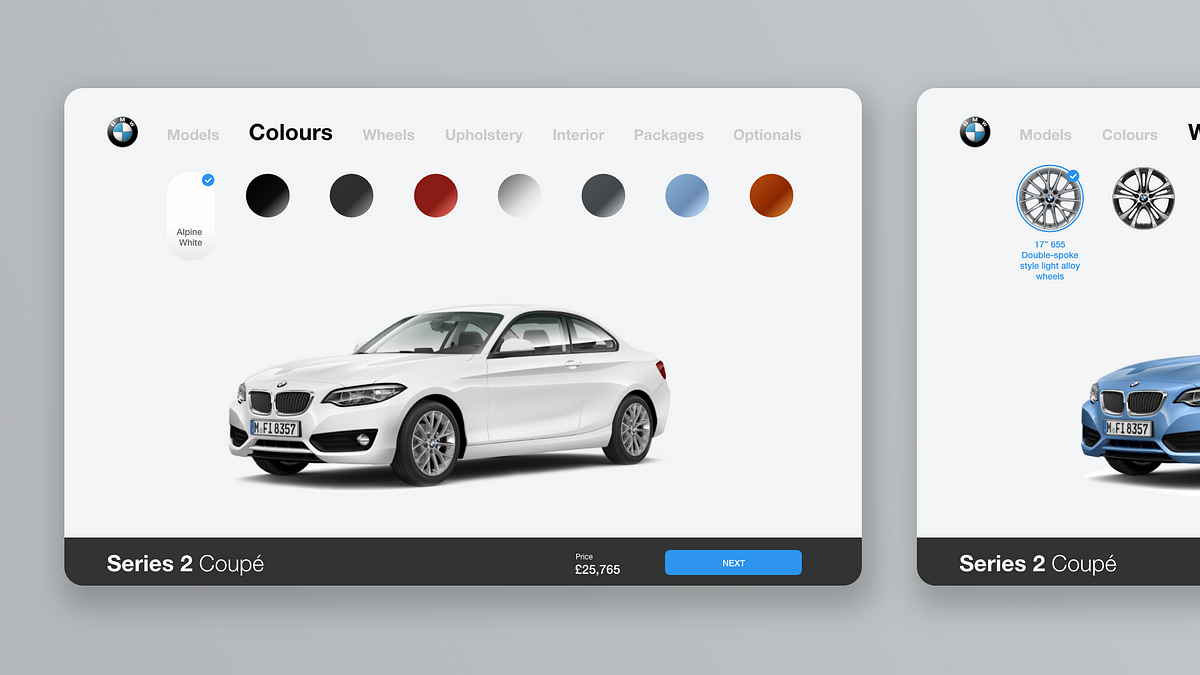
Ever dreamed of designing your perfect car? A vehicle that reflects your personality, your style, and your specific needs? For years, this has been a fantasy reserved for automotive designers and the ultra-wealthy. But now, with the launch of “Design Your Dream Car,” that dream is within everyone’s reach. This revolutionary new app empowers users to create their own unique vehicles, from the ground up, with unprecedented levels of detail and customization.

Intuitive Interface, Endless Possibilities

The app’s user-friendly interface makes the design process surprisingly simple, even for those with no prior experience in automotive design. A drag-and-drop system allows you to effortlessly add and modify components, experimenting with various shapes, colors, and textures. The vast library of options ensures that no two creations are ever exactly alike. Choose from a diverse range of body styles, from sleek sports cars to rugged SUVs, and then personalize every aspect, from the headlights and grille to the interior upholstery and dashboard layout.

Customize Every Detail, Inside and Out

Forget limiting pre-set options. “Design Your Dream Car” lets you truly customize everything. Experiment with paint jobs, selecting from millions of color combinations and adding unique decals or stripes. Fine-tune the wheel design, choosing from a vast library of rims and tire types. Even the smallest details, like the stitching on the seats or the type of wood trim on the dashboard, are completely customizable. The level of detail is astonishing, bringing an unprecedented level of personalization to the digital car design experience.

Advanced Features for the Discerning Designer

For the more serious car enthusiast, “Design Your Dream Car” offers advanced features that allow for incredibly precise customization. Adjust suspension settings to fine-tune the car’s handling, experiment with different engine options to optimize performance, and even personalize the interior layout to perfectly suit your driving style and passenger needs. These advanced features add a layer of complexity and realism that sets this app apart from the competition.

Share Your Creations, Inspire Others

Once you’ve crafted your dream car, you can share your creation with friends and family through social media or directly within the app’s community. The app includes a built-in social network where users can showcase their designs, get feedback from other enthusiasts, and draw inspiration from the work of others. This fosters a collaborative environment, encouraging creativity and innovation within the community.

Beyond the Design: A Glimpse into the Future

The developers are committed to continuously expanding the app’s features and capabilities. Future updates will include even more customization options, new car models, and potentially even the ability to virtually “test drive” your custom creations. The ultimate goal is to create a platform that not only allows users to design their dream cars but also provides a realistic and engaging experience that bridges the gap between the digital and the physical world.

A Dream Within Reach

For too long, the ability to design a truly personalized car has remained a distant aspiration. “Design Your Dream Car” finally makes this dream a reality. With its intuitive interface, vast customization options, and active community, this app is transforming the way people interact with automotive design, empowering individuals to create the vehicles of their wildest imaginations. Download the app today and begin designing the car of your dreams.

From Concept to Reality: Potential for Collaboration

The app isn’t just about creating digital designs. The developers are exploring partnerships with automotive manufacturers to potentially bring some of the most creative and popular user designs into reality. This exciting prospect further elevates the app’s potential, transforming it from a simple design tool into a platform that could revolutionize the automotive industry by connecting designers with manufacturers and ultimately bringing unique, personalized vehicles to the road. Click here to learn about the car customization app.

Top Car Customization Shops Your Ultimate Guide

Finding the Right Shop for Your Needs

Choosing a car customization shop isn’t just about finding the flashiest storefront. It’s crucial to find a shop that aligns with your project’s scope, budget, and aesthetic goals. Consider the type of customization you’re looking for – are you after a subtle upgrade, a full-blown restoration, or something in between? Some shops specialize in specific areas, like paint jobs, engine modifications, or interior work. Researching their portfolios and reading online reviews will help you determine if their expertise matches your vision.

Assessing Expertise and Reputation

A shop’s reputation precedes it. Check online reviews on sites like Yelp, Google Reviews, and specialized car forums. Look for consistent positive feedback regarding professionalism, quality of work, and customer service. Pay attention to negative reviews, but consider if the issues are isolated incidents or recurring problems. Look at the shop’s portfolio – do they have experience with cars similar to yours? Do their past projects meet your standards for quality and craftsmanship?

Budgetary Considerations and Transparency

Car customization can be expensive, so establishing a clear budget is crucial. Discuss your budget upfront with potential shops and ensure they provide a detailed breakdown of costs. Beware of shops that are vague about pricing or add unexpected charges. Transparency is key. A reputable shop will clearly explain the materials used, labor involved, and the timeline of the project. Get everything in writing, including a contract that outlines the scope of work, payment schedule, and warranty information.

Location and Accessibility

Convenience matters. While a top-rated shop might be further away, consider the practicality of transportation, communication, and potential issues that might require you to visit the shop during the project. Will you be able to easily drop off and pick up your vehicle? How easy is it to contact them with questions or updates? Regular communication and readily available contact information are crucial throughout the customization process.

Specializations and Services Offered

Not all shops offer the same services. Some specialize in performance enhancements, while others focus on aesthetic modifications. Determine what aspects of your car you want to customize and choose a shop that has proven expertise in those specific areas. Do you need engine tuning, body kit installation, paint protection film, or interior upholstery? Make sure the shop has the necessary equipment, skills, and experience to handle your requests.

Warranty and Guarantees

A reputable shop stands behind its work. Inquire about warranties offered on parts and labor. A good warranty shows confidence in their skills and provides protection should any issues arise after the completion of the project. Understand the terms and conditions of the warranty and what it covers. Don’t hesitate to ask clarifying questions; a professional shop will be happy to explain the details.

Meeting the Team and Assessing Work Environment

Visiting the shop in person allows you to assess the work environment. A clean, organized shop often reflects the quality of work produced. Meet the technicians and mechanics involved in your project. Their experience and knowledge should inspire confidence. Observe the interaction between the staff and other clients – is there a collaborative and respectful atmosphere? This visit helps you feel comfortable leaving your car in their care.

Comparing Multiple Shops and Gathering Quotes

Don’t settle for the first shop you find. Get quotes and compare services from at least three different shops. This allows you to evaluate pricing, services offered, and overall professionalism. Pay attention to the details in each quote. Does it include all the necessary parts and labor? Are there hidden costs? A thorough comparison will ensure you get the best value for your money.

Checking for Licenses and Insurance

Before committing to a shop, confirm that they possess the necessary licenses and insurance. A licensed and insured shop provides legal protection for both you and the shop in case of accidents or disputes. This is an important aspect that often gets overlooked, but it’s crucial for your peace of mind. Ask for proof of their licenses and insurance policies.

Reviews and Testimonials from Other Clients

Beyond online reviews, consider seeking out personal recommendations. Ask friends, family, or car enthusiasts for referrals. Personal testimonials can offer valuable insights into a shop’s reliability, communication, and overall customer experience. Talking to someone who has used their services firsthand provides a more personal and detailed perspective. Read also about car customization shops.

Rev Up Your Ride The Ultimate Car Customization Shop

Unleashing Your Vehicle’s Potential

At Rev Up Your Ride, we understand that your car is more than just transportation; it’s an extension of yourself. It’s a reflection of your personality, your style, and your passions. That’s why we’ve created a one-stop shop dedicated to helping you transform your vehicle into the ultimate expression of your individuality. Whether you’re dreaming of a subtle upgrade or a complete head-turning makeover, our expert team is here to guide you every step of the way.

Performance Enhancements: Power and Precision

Do you crave the thrill of exhilarating acceleration and responsive handling? Our performance enhancement services are designed to unleash your vehicle’s hidden potential. From high-performance engine tuning and exhaust systems that deliver a throaty roar to upgraded suspension components that hug the road, we’ll transform your ride into a precision-engineered machine. We use only the highest-quality parts and employ experienced technicians who understand the intricate mechanics of your vehicle, ensuring optimal performance and longevity.

Aesthetic Upgrades: Style and Substance

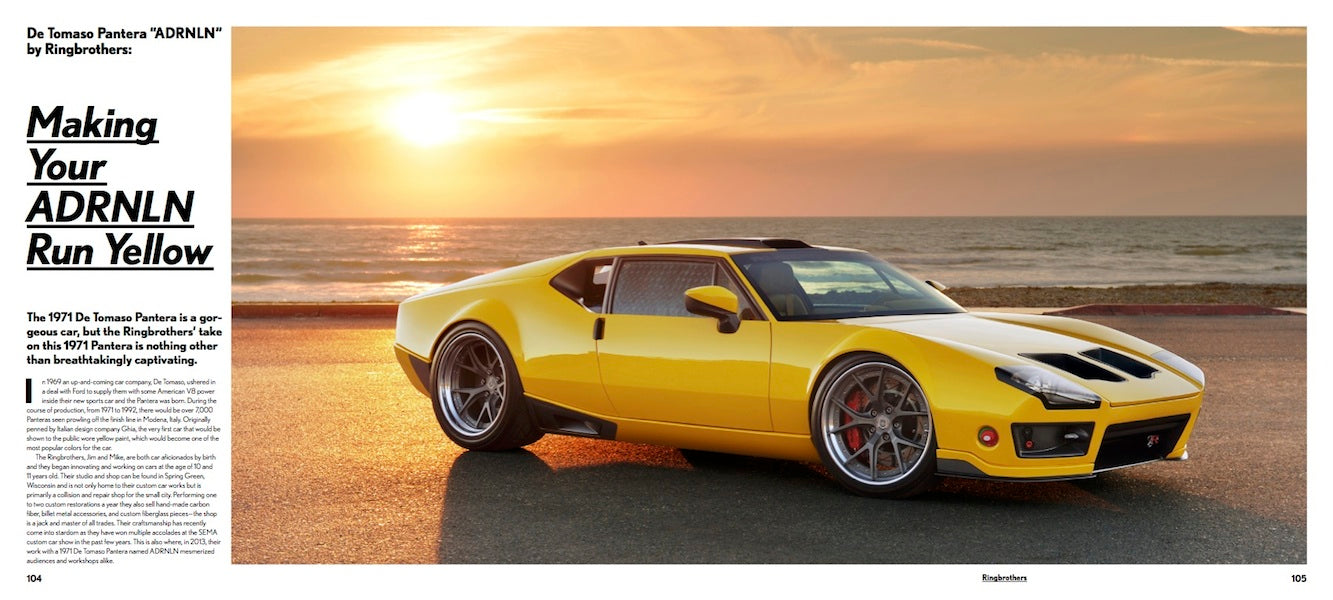
Beyond performance, the aesthetics of your car play a crucial role in expressing your unique style. Our customization options range from subtle enhancements to bold statements. We offer a wide selection of custom wheels, body kits, and paint jobs to personalize your vehicle’s exterior. Interior modifications are equally important, and we can help you create a luxurious and comfortable cabin with premium leather upholstery, custom stitching, and state-of-the-art infotainment systems. We work closely with you to understand your vision and create a bespoke design that perfectly aligns with your taste.

Audio Visual Enhancements: Immersive Sound and Visuals

Elevate your driving experience with our cutting-edge audio and visual upgrades. Imagine cruising down the highway, surrounded by crystal-clear sound from a custom-designed audio system that rivals the best concert halls. We offer a range of high-performance speakers, amplifiers, and subwoofers to create the ultimate listening environment. And if you’re a fan of visual technology, we can install high-resolution screens, rear-view cameras, and advanced navigation systems to enhance your driving safety and entertainment.

Expert Technicians: Precision and Passion

Our team at Rev Up Your Ride is comprised of highly skilled and passionate technicians who are dedicated to delivering exceptional results. Each member of our team possesses years of experience in automotive customization and a deep understanding of various vehicle makes and models. They’re not just mechanics; they’re artists who meticulously craft each modification to ensure both functionality and aesthetic appeal. We’re committed to providing the highest level of craftsmanship and customer service, exceeding your expectations at every stage of the process.

Beyond the Basics: Unique and Bespoke Solutions

We don’t believe in limiting your imagination. At Rev Up Your Ride, we embrace unique and bespoke customization requests. Whether you have a specific vision in mind or need help developing a concept, we’re here to collaborate with you to bring your dream car to life. From intricate airbrushing to one-of-a-kind interior designs, we have the expertise and resources to handle even the most demanding projects. We’ll work with you, step-by-step, to ensure every detail is perfect.

Customer Focus: Your Vision, Our Expertise

We understand that your vehicle is a significant investment, and we’re committed to providing a personalized experience that exceeds your expectations. From the initial consultation to the final unveiling of your customized ride, we prioritize clear communication and open collaboration. We’ll carefully guide you through the entire process, offering expert advice and ensuring that your vision is translated into reality. Our goal is not just to modify your car but to forge a lasting relationship built on trust and shared passion.

Warranty and Aftercare: Long-lasting Quality

We stand behind the quality of our workmanship. All our modifications are backed by a comprehensive warranty, offering you peace of mind and ensuring the longevity of your investment. Furthermore, we provide ongoing aftercare services, including routine maintenance and repairs, to keep your customized vehicle performing at its best for years to come. We’re committed to building long-term relationships with our clients, providing them with the support they need to enjoy their enhanced ride. Visit here to learn about our car customization shop.