The Daily Observer

We observe, you read and decide

saas

SaaS Superapps Global Market Growth Opportunities Rise

The business software landscape is rapidly evolving, and at the forefront of this evolution is the rise of SaaS Superapps. These unified platforms, offering a multitude of services within a single application, are poised for significant global market growth. They promise to streamline operations, improve user experience, and ultimately drive greater efficiency for businesses of all sizes. The appeal is clear: instead of juggling multiple specialized SaaS tools, users can access a wide range of functionalities through one central hub. This consolidation not only simplifies workflows but also reduces costs and enhances collaboration across teams. This article delves into the factors fueling the growth of SaaS Superapps, the opportunities they present, and how businesses can leverage them to stay competitive in today’s dynamic market.

Key Takeaways:

  • SaaS Superapps are experiencing significant global market growth due to their ability to consolidate functionalities and improve user experience.
  • Key growth drivers include the need for streamlined operations, reduced costs, and enhanced collaboration.
  • Businesses that adopt SaaS Superapps can gain a competitive advantage by increasing efficiency and improving customer engagement.

Understanding the Growth Drivers of SaaS Superapps

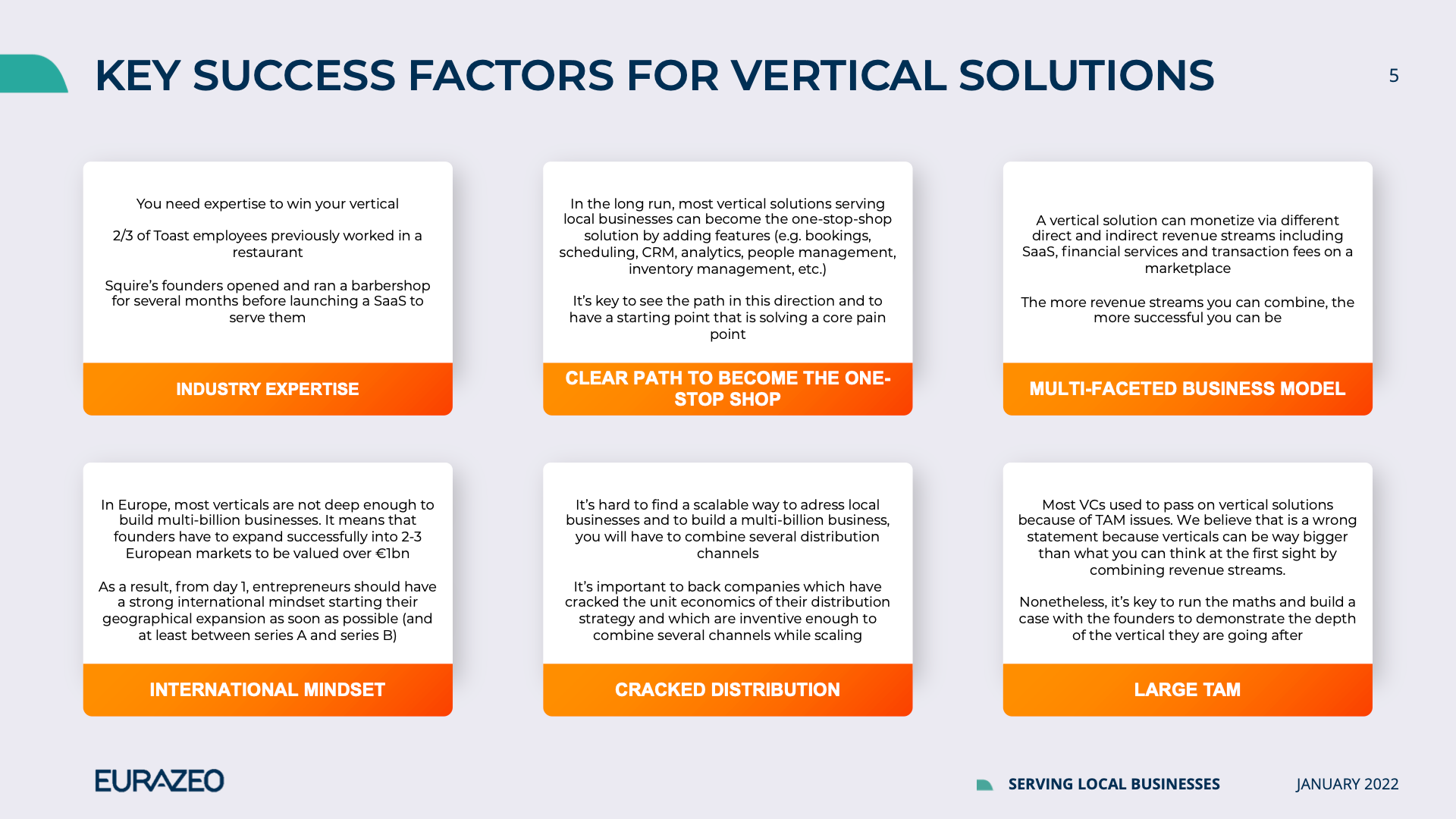
Several factors are converging to create a fertile ground for the expansion of SaaS Superapps. The first is the increasing complexity of the modern business environment. Companies are relying on a growing number of specialized SaaS applications to manage various aspects of their operations, from CRM and marketing automation to project management and customer support. This proliferation of tools can lead to fragmented workflows, data silos, and increased administrative overhead. SaaS Superapps offer a solution by integrating these disparate functionalities into a single, unified platform.

Another key driver is the demand for improved user experience. Users are increasingly expecting seamless and intuitive interfaces that allow them to access the information and tools they need quickly and easily. SaaS Superapps address this demand by providing a centralized access point for multiple services, eliminating the need to switch between different applications and learn multiple interfaces. This can lead to increased user satisfaction, adoption, and productivity.

Moreover, the cost benefits of SaaS Superapps are also a significant factor in their growth. By consolidating multiple subscriptions into a single platform, businesses can often reduce their overall software expenses. This is particularly appealing to small and medium-sized businesses (SMBs) that may have limited budgets for software investments. Let us consider the possibilities: the money saved can be reinvested in innovation, training, or other areas that drive growth.

Exploring Global Market Growth Opportunities for SaaS Superapps

The global market for SaaS Superapps is ripe with opportunities. Different regions and industries are adopting these platforms at varying rates, creating a dynamic landscape for vendors and users alike. Developed markets, such as North America and Europe, are leading the way in terms of adoption, driven by the high levels of SaaS penetration and the increasing demand for integrated solutions.

However, emerging markets in Asia-Pacific and Latin America are also showing significant potential. These regions are characterized by rapid economic growth, increasing internet penetration, and a growing appetite for digital solutions. SaaS Superapps can be particularly appealing to businesses in these markets that are looking to leapfrog traditional IT infrastructure and adopt cloud-based solutions from the outset.

Different industries are also presenting unique opportunities for SaaS Superapps. For example, the healthcare industry is increasingly adopting these platforms to manage patient data, streamline workflows, and improve communication between providers. The financial services industry is using SaaS Superapps to automate processes, enhance customer experience, and comply with regulatory requirements. The retail industry is leveraging these platforms to manage inventory, personalize marketing campaigns, and improve customer loyalty.

Benefits of Adopting SaaS Superapps

The benefits of adopting SaaS Superapps are multifaceted. Beyond the obvious advantages of streamlined operations and reduced costs, these platforms can also help businesses to:

  • Improve Collaboration: By providing a centralized platform for communication and collaboration, SaaS Superapps can break down silos and facilitate teamwork across departments.
  • Enhance Customer Engagement: SaaS Superapps can enable businesses to deliver personalized and engaging customer experiences by integrating CRM, marketing automation, and customer support functionalities.
  • Gain Data-Driven Insights: By centralizing data from multiple sources, SaaS Superapps can provide businesses with a more comprehensive view of their operations, allowing them to make better-informed decisions.
  • Increase Agility: By providing a flexible and scalable platform, SaaS Superapps can help businesses to adapt quickly to changing market conditions and customer needs.

For us, this means being able to react quicker to market fluctuations and customer feedback than ever before.

Strategies for Leveraging SaaS Superapps for Business Success

To maximize the benefits of SaaS Superapps, businesses need to adopt a strategic approach. This includes:

  • Identifying Key Business Needs: Before implementing a SaaS Superapp, businesses should carefully assess their key business needs and identify the functionalities that are most important

Vertical SaaS Explained What It Means For You

Understanding Vertical SaaS

Vertical SaaS, or Software as a Service, is a specific type of software designed to cater to the unique needs of a particular industry or niche. Unlike horizontal SaaS, which aims to serve a broad range of businesses regardless of their sector (think CRM systems or project management tools), vertical SaaS solutions are deeply specialized. They’re built with the specific workflows, regulations, and pain points of a particular vertical in mind. Imagine accounting software tailored exclusively for dentists, or a customer relationship management (CRM) system specifically designed for breweries – that’s vertical SaaS in action.

The Benefits of Vertical SaaS for Businesses

For businesses operating within a specific vertical, the advantages of vertical SaaS are significant. These solutions often come pre-loaded with industry-specific features and functionalities that save time and money. No more struggling to adapt generic software to your unique needs; vertical SaaS is built to work seamlessly with your existing processes. This integration boosts efficiency, reduces the need for extensive customization, and simplifies training for employees. The deep understanding of industry regulations and best practices built into the software also minimizes compliance risks.

Vertical SaaS Explained What It Means For You

How Vertical SaaS Differs from Horizontal SaaS

The key difference lies in the scope and focus. Horizontal SaaS aims for broad applicability, offering generic features that can be adapted to different industries. This broad approach can lead to a lack of specific features relevant to your business, requiring workarounds and potentially costly customizations. Vertical SaaS, conversely, focuses on a specific industry. It delivers features tailored to the industry’s unique challenges and opportunities, resulting in a more streamlined and efficient solution that’s ready to use from the get-go. The level of customization required is significantly reduced, leading to faster implementation and lower costs.

Examples of Vertical SaaS in Action

Consider the healthcare industry. A horizontal CRM might track customer interactions, but a vertical SaaS solution for healthcare practices would integrate with electronic health records (EHRs), manage patient scheduling, and comply with HIPAA regulations – features crucial to the healthcare sector but irrelevant to, say, a retail business. Similarly, a construction management software would integrate with project blueprints, track material costs specifically relevant to the construction industry, and manage worker certifications, unlike a generic project management tool.

Choosing the Right Vertical SaaS Solution

Selecting the right vertical SaaS solution requires careful consideration. Begin by identifying your specific needs and challenges. Research different vendors offering solutions within your industry. Look for software with a strong track record, positive user reviews, and robust customer support. Consider scalability; choose a solution that can grow with your business. Don’t hesitate to request demos and trials to assess the software’s usability and functionality before committing to a long-term contract. A well-chosen vertical SaaS solution can be a game-changer for your business.

The Future of Vertical SaaS

The vertical SaaS market is expanding rapidly. As businesses increasingly recognize the benefits of specialized solutions, the demand for industry-specific software is only expected to grow. We’re likely to see further innovation in this space, with solutions becoming even more tailored and integrated with other technologies. Artificial intelligence and machine learning are poised to play a significant role, enhancing automation and providing deeper insights into business operations within specific verticals. This increased specialization will lead to greater efficiency and productivity for businesses across various industries.

Cost Considerations and ROI of Vertical SaaS

While the initial investment in vertical SaaS might seem higher compared to a generic horizontal solution, the long-term return on investment (ROI) is often significant. The increased efficiency, reduced customization costs, and minimized compliance risks can lead to substantial cost savings. Furthermore, the specialized features often translate to improved productivity and better decision-making, ultimately boosting profitability. Carefully evaluating the total cost of ownership (TCO), including implementation, training, and ongoing support, against the potential benefits is crucial for making an informed decision.

Security and Data Privacy in Vertical SaaS

Security and data privacy are paramount considerations when selecting any SaaS solution, particularly within regulated industries. Look for vendors who comply with relevant industry standards and regulations (like HIPAA in healthcare or GDPR in Europe). Ensure the vendor has robust security measures in place to protect your sensitive data. Transparency regarding data security practices is crucial. Don’t hesitate to ask detailed questions about the vendor’s security protocols and data encryption methods to ensure your business and customer data remains safe. Read also about what vertical SaaS means.