The Daily Observer

We observe, you read and decide

sustainable design

Green Building Certifications LEED BREEAM Market Growth

The push for environmentally responsible construction is stronger than ever. Buildings are major consumers of energy and resources, and they contribute significantly to greenhouse gas emissions. That’s why Green Building Certifications (e.g., LEED, BREEAM) have become increasingly important. These certifications provide a framework for designing, constructing, and operating buildings in a sustainable and resource-efficient manner. Understanding these certifications, like LEED and BREEAM, and the factors driving their market growth is crucial for anyone involved in the building industry, from architects and developers to building owners and occupants. They help us build a more sustainable future.

Key Takeaways:

  • Green Building Certifications (e.g., LEED, BREEAM) offer a structured approach to sustainable building practices.
  • LEED and BREEAM are two leading certifications with different focuses and applicability.
  • The market for green building is experiencing significant growth due to increased awareness, regulations, and cost savings.
  • Choosing the right certification depends on project goals, location, and budget.

Understanding Green Building Certifications (e.g., LEED, BREEAM)

Green Building Certifications (e.g., LEED, BREEAM) are rating systems that evaluate a building’s environmental performance across a range of criteria. They provide a benchmark for sustainable building practices and help to ensure that buildings are designed and operated in a way that minimizes their environmental impact.

  • LEED (Leadership in Energy and Environmental Design) is a certification system developed by the U.S. Green Building Council (USGBC). It’s one of the most widely recognized green building rating systems globally. LEED focuses on aspects such as energy efficiency, water conservation, materials selection, indoor environmental quality, and sustainable site development. Projects earn points based on the level of achievement in each category, leading to different levels of certification: Certified, Silver, Gold, and Platinum. LEED is widely adopted in North America and is becoming increasingly popular in other regions.
  • BREEAM (Building Research Establishment Environmental Assessment Method) is the world’s first green building rating system, developed in the UK. It assesses buildings across a range of categories, including energy and water use, health and wellbeing, pollution, transport, materials, waste, ecology, and management processes. BREEAM also awards points, leading to ratings of Pass, Good, Very Good, Excellent, and Outstanding. BREEAM is particularly prevalent in Europe and is often seen as a more flexible and context-specific certification system than LEED.

While both LEED and BREEAM aim to promote sustainable building practices, they differ in their specific criteria and assessment methods. LEED tends to be more prescriptive, outlining specific requirements for each credit, while BREEAM offers more flexibility, allowing projects to tailor their approach to local conditions and priorities. The choice between LEED and BREEAM often depends on the location of the project, the specific goals of the project team, and the preferences of the building owner. It is important for us to understand the nuances of each system.

Comparing LEED and BREEAM: Which is Right for You?

Choosing between LEED and BREEAM depends on several factors. Location is a primary consideration. BREEAM is more common and often preferred in Europe, while LEED is dominant in North America. Project goals also play a significant role. If energy efficiency is a top priority, LEED might be a better fit, while BREEAM might be preferable if the focus is on broader sustainability aspects, including ecology and wellbeing.

Cost is another important factor. The cost of certification varies depending on the size and complexity of the project. Some argue that BREEAM can be more cost-effective for certain types of projects due to its flexibility. However, LEED’s structured approach can provide greater certainty in achieving specific performance targets.

Ultimately, the best way to decide between LEED and BREEAM is to conduct a thorough assessment of your project’s needs and priorities and to consult with experienced green building professionals who can provide guidance on the most appropriate certification system. It is best for us to research project goals and consult the necessary people.

Market Growth Drivers for Green Building Certifications (e.g., LEED, BREEAM)

The market for Green Building Certifications (e.g., LEED, BREEAM) is experiencing substantial growth, driven by several key factors. One of the most important is increased awareness of the environmental and economic benefits of green building. Building owners and developers are realizing that green buildings can reduce operating costs, improve occupant health and productivity, and enhance property value.

Government regulations and incentives are also playing a crucial role. Many jurisdictions are implementing building codes and policies that favor or require green building practices. Tax credits, grants, and other financial incentives are further encouraging the adoption of green building certifications.

Consumer demand is another significant driver. Increasingly, tenants and buyers are seeking out green buildings that offer a healthier and more sustainable living or working environment. This demand is creating a competitive advantage for developers and building owners who invest in green building certifications. The long-term benefits are important for us to consider.

The Future

Green Architecture Nature’s Building Blocks

Harnessing Sunlight: Passive Solar Design

Passive solar design is a cornerstone of green architecture. It leverages the sun’s energy to heat and light buildings, minimizing the need for artificial systems. This involves strategic placement of windows to maximize solar gain in winter and minimize it in summer, using thermal mass materials like concrete or stone to store and release heat, and designing overhangs and shading devices to control sunlight exposure. Efficiently designed passive solar buildings can significantly reduce energy consumption for heating and cooling, leading to lower utility bills and a smaller carbon footprint.

Embracing Natural Ventilation: Optimizing Airflow

Good ventilation is crucial for a healthy and comfortable indoor environment. Green architecture prioritizes natural ventilation techniques, minimizing reliance on energy-intensive mechanical systems. This can involve strategically placed windows and vents to create cross-ventilation, utilizing stack effect (where warmer air rises and cooler air sinks), and incorporating wind catchers to direct airflow. Natural ventilation improves indoor air quality by reducing pollutants and increasing comfort, further contributing to a sustainable design.

Sustainable Materials: Building with Nature

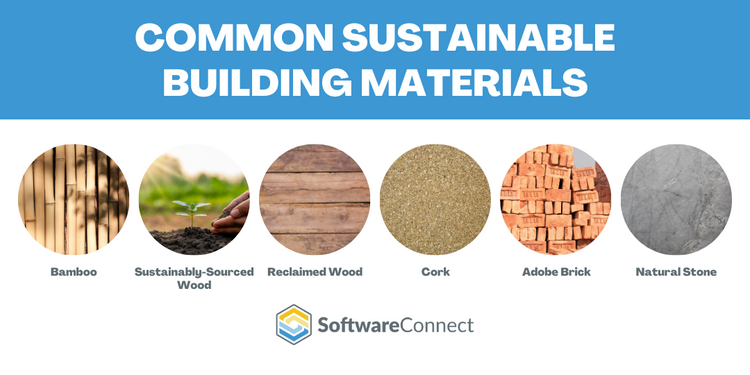
The choice of building materials is paramount in green architecture. Sustainable materials, such as reclaimed wood, bamboo, recycled steel, and locally sourced stone, minimize environmental impact compared to traditional options. These materials often require less energy to produce and transport, reducing their carbon footprint. Moreover, the use of sustainably harvested timber promotes responsible forestry practices, supporting biodiversity and healthy ecosystems. The inherent qualities of many natural materials, like their insulation properties or breathability, also contribute to a more energy-efficient and comfortable building.

Water Conservation: Smart Water Management

Water conservation is another key aspect of green building. Strategies include the use of rainwater harvesting systems to collect and store rainwater for irrigation or toilet flushing, the installation of low-flow fixtures (toilets, showers, faucets) to reduce water consumption, and the incorporation of drought-tolerant landscaping to minimize irrigation needs. Greywater recycling, which involves reusing wastewater from showers and sinks for non-potable purposes like irrigation, is another innovative water-saving technique often employed in green building projects.

Protecting Biodiversity: Creating Green Spaces

Green architecture isn’t just about the building itself; it’s about the surrounding environment too. Integrating green spaces, such as rooftop gardens, green walls, and permeable pavements, creates habitats for wildlife, improves air quality, and reduces the urban heat island effect. These green spaces also enhance the aesthetic appeal of the building and provide opportunities for recreation and relaxation, improving the overall quality of life for occupants.

Energy Efficiency: Beyond Passive Design

While passive design strategies are fundamental, green architecture also embraces advanced energy-efficient technologies. This includes the use of high-performance insulation to minimize heat transfer, the installation of energy-efficient windows and doors, and the integration of renewable energy sources such as solar panels or wind turbines. Smart building management systems can optimize energy consumption based on occupancy and weather conditions, further reducing energy waste. The combination of passive and active strategies results in significant energy savings and reduces reliance on fossil fuels.

Indoor Environmental Quality: A Healthy Home

Green architecture prioritizes the health and well-being of occupants by focusing on indoor environmental quality. This involves selecting low-VOC (volatile organic compound) materials to minimize indoor air pollution, using natural ventilation strategies to improve air circulation, and optimizing lighting to reduce eye strain and improve mood. By minimizing exposure to harmful chemicals and pollutants, green buildings contribute to a healthier and more productive living environment.

Lifecycle Assessment: A Holistic Approach

A complete green building approach considers the entire lifecycle of a building, from the extraction of materials to its eventual demolition and disposal. Lifecycle assessments evaluate the environmental impact of each stage, identifying areas for improvement and minimizing waste. This holistic approach ensures that sustainability is considered not just during construction, but throughout the building’s lifespan, contributing to a more responsible and environmentally conscious approach to construction. Read more about sustainable building materials.