Navigating the Sturm Foods Legal Battle What to Know
Introduction
The legal battle involving Sturm Foods has captured widespread attention, raising questions and concerns among consumers and industry observers alike. Navigating the complexities of this legal dispute requires a nuanced understanding of its origins, allegations, legal strategies, and potential implications.
Origins of the Lawsuit
The origins of the Sturm Foods legal battle can be traced back to allegations of deceptive practices and product mislabeling. Consumers raised concerns about the accuracy of product labeling and marketing claims, prompting investigations and legal action against the company. These allegations have fueled a contentious legal battle, with significant implications for Sturm Foods and the broader food industry.
Allegations and Claims
Central to the Sturm Foods legal battle are various allegations leveled against the company. Plaintiffs contend that Sturm Foods engaged in deceptive marketing practices by misrepresenting the contents and nutritional value of its products. Additionally, plaintiffs argue that Sturm Foods failed to adequately disclose potential health risks associated with consuming its products, leading to consumer harm and financial losses.
Legal Maneuverings
The legal battle between Sturm Foods and the plaintiffs has witnessed intricate legal maneuverings and strategies from both sides. Sturm Foods has sought to dismiss the lawsuit, citing lack of evidence and legal standing. Plaintiffs, however, have pressed forward, seeking to hold Sturm Foods accountable for alleged misconduct and obtain compensation for affected consumers.
Class Certification
A critical aspect of the Sturm Foods legal battle is the class certification process. This process determines whether the lawsuit can proceed as a class action, allowing plaintiffs to represent a larger group of individuals affected by Sturm Foods’ actions. Class certification hinges on demonstrating common issues among plaintiffs and the feasibility of collective litigation.
Legal Precedents and Rulings
Legal precedents and court rulings play a significant role in shaping the trajectory of the Sturm Foods legal battle. Past decisions in similar cases, along with interpretations of relevant laws and regulations, inform the arguments presented by both parties. Rulings on critical motions, such as motions to dismiss or motions for class certification, can significantly influence the outcome of the lawsuit.
Public Perception and Impact
Beyond the courtroom, the Sturm Foods legal battle has garnered public attention and raised concerns about consumer rights and corporate accountability. The outcome of the lawsuit could set precedents for how food companies label and market their products, impacting consumer trust and regulatory oversight in the food industry. Moreover, the lawsuit’s outcome may have broader implications for product liability and consumer protection laws.
Ongoing Developments
As of now, the Sturm Foods legal battle continues to unfold, with ongoing developments shaping its trajectory. Both parties engage in legal proceedings, including discovery, motion practice, and settlement negotiations. The lawsuit’s resolution remains uncertain, with potential implications for Sturm Foods, its consumers, and the broader food industry.
Conclusion
The Sturm Foods legal battle represents a significant legal challenge with far-reaching implications for consumer rights, corporate accountability, and the food industry at large. Navigating the complexities of this legal dispute requires careful analysis and understanding of its origins, allegations, legal strategies, and potential outcomes. As the legal battle progresses, stakeholders must remain vigilant and informed to grasp its implications fully. Read more about sturm foods lawsuit
Essential TCPA Lawsuit Guidance What You Need to Know
Navigating TCPA Lawsuits: Essential Guidance
Understanding TCPA Regulations
The Telephone Consumer Protection Act (TCPA) serves as a crucial framework for regulating telemarketing calls, texts, and faxes. Enacted to protect consumers from unsolicited communications, the TCPA imposes strict requirements on businesses regarding consent, identification, and compliance with do-not-call lists. Understanding the intricacies of TCPA regulations is essential for businesses to avoid potential litigation and ensure compliance with the law.
Key Provisions of the TCPA
At the core of TCPA regulations are key provisions that businesses must adhere to. These provisions include obtaining prior express consent from individuals before making telemarketing calls or sending commercial text messages, maintaining an up-to-date do-not-call list, and providing accurate caller identification information. Failure to comply with these provisions can result in substantial penalties and legal consequences for businesses.
Potential Damages in TCPA Lawsuits
In TCPA lawsuits, businesses face the risk of significant financial damages if found liable for violations of the law. Plaintiffs in TCPA lawsuits may seek statutory damages ranging from $500 to $1,500 per violation, as well as injunctive relief and attorneys’ fees. The potential for class action lawsuits further amplifies the financial risks for businesses, making it imperative to prioritize compliance with TCPA regulations.
Defenses Against TCPA Allegations
When facing TCPA allegations, businesses have various defenses at their disposal to challenge the claims brought against them. Common defenses include obtaining valid consent from individuals, establishing an established business relationship, or demonstrating that the communications at issue fall within exemptions or exceptions under the TCPA. Effectively asserting these defenses requires thorough documentation and legal expertise.
Navigating Class Certification
In TCPA lawsuits, class certification is a critical stage where the court determines whether the case can proceed as a class action, representing a group of individuals who have suffered similar harm. Businesses must be prepared to address class certification issues and present compelling arguments to oppose certification if deemed necessary. Successfully challenging class certification can significantly impact the outcome of the lawsuit.
Compliance Measures for Businesses
To mitigate the risk of TCPA lawsuits, businesses must prioritize compliance with TCPA regulations and implement robust compliance measures. This includes establishing clear policies and procedures for obtaining consent, maintaining accurate records of consent, and regularly reviewing and updating telemarketing practices to align with TCPA requirements. By proactively addressing compliance issues, businesses can reduce the likelihood of facing TCPA litigation.
Legal Strategies for TCPA Defense
In the event of facing TCPA litigation, businesses must develop effective legal strategies to defend against allegations and minimize liability risks. This may involve conducting a thorough review of the facts and circumstances surrounding the alleged violations, identifying potential defenses, and engaging experienced legal counsel to advocate on behalf of the business. Effective defense strategies require careful planning and strategic advocacy to achieve favorable outcomes.
Settlement Negotiations
In some cases, businesses may opt to pursue settlement negotiations as a means of resolving TCPA lawsuits efficiently and mitigating costs. Settlement negotiations often involve assessing the strengths and weaknesses of the case, evaluating potential exposure to damages, and negotiating favorable terms to minimize financial impact. While settlement offers an opportunity to avoid protracted litigation, businesses must carefully weigh the costs and benefits before agreeing to a settlement agreement.
Continued Compliance Efforts
Navigating TCPA lawsuits requires ongoing vigilance and commitment to compliance with TCPA regulations. As technology and communication methods evolve, businesses must stay abreast of changes in TCPA regulations and industry best practices to ensure ongoing compliance and mitigate the risk of litigation. By investing in continued compliance efforts and staying informed about legal developments, businesses can effectively navigate the complexities of TCPA lawsuits and safeguard their interests. Read more about tcpa lawsuits
Speak and Be Found: Mastering Voice Search Optimization

Unlocking Success: Mastering Voice Search Optimization
The Rise of Voice Search in Digital Landscape
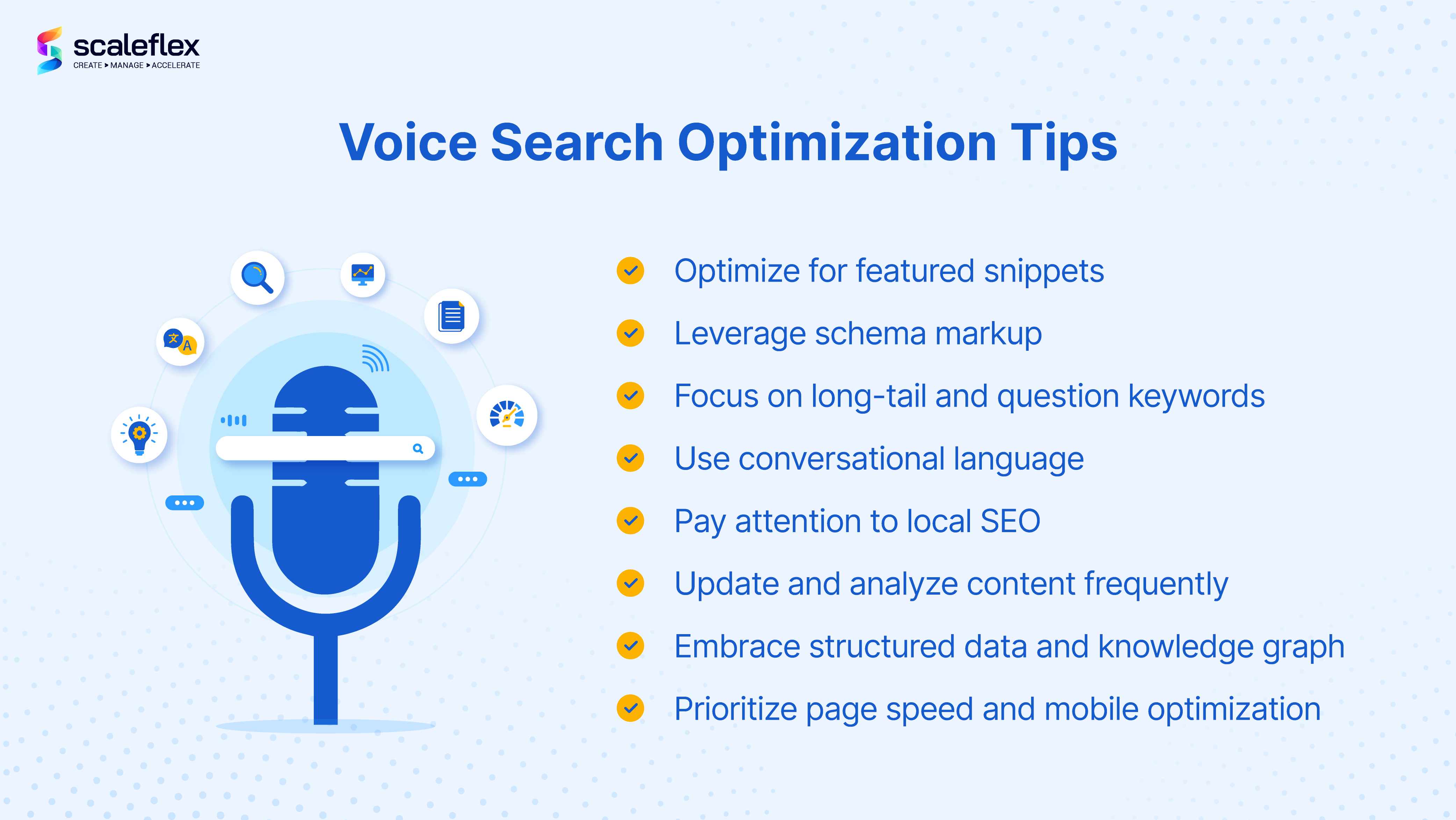
Voice search has become a prevalent aspect of the digital landscape, with users increasingly relying on virtual assistants like Siri, Google Assistant, and Alexa. Understanding and optimizing for voice search is essential for businesses seeking to stay visible and relevant in the evolving world of search engine queries.
The Importance of Voice Search Optimization
Voice search optimization involves tailoring your online content to align with the conversational nature of voice queries. As users shift from typing to speaking, businesses need to adapt their SEO strategies to ensure their information is easily accessible through voice-activated devices.
Tailoring Content for Natural Conversations
Voice search queries are often more conversational and natural than traditional typed searches. Optimizing content for voice search involves understanding how users phrase questions verbally and creating content that directly addresses these inquiries. Long-tail keywords and a conversational tone are key elements in this optimization process.
Local SEO and Voice Search: A Symbiotic Relationship
Local businesses stand to gain significantly from voice search optimization. As users frequently employ voice search for local queries, ensuring your business information is accurate on platforms like Google My Business becomes crucial. Local SEO strategies complement voice search optimization, enhancing your visibility in local voice-based searches.
Structured Data Markup for Enhanced Visibility
Structured data markup helps search engines better understand the content on your website. This becomes particularly important for voice search, where clear and concise information is essential. Utilizing schema markup enables search engines to provide more accurate and relevant results when users make voice queries.
Mobile Optimization for Voice Search Users
Voice search is heavily reliant on mobile devices, making mobile optimization a vital component of voice search optimization. Ensure your website is mobile-friendly, loads quickly, and provides an optimal user experience for visitors accessing your site through voice commands on their smartphones or other mobile devices.
Natural Language Processing (NLP) Integration
Voice search optimization requires an understanding of Natural Language Processing (NLP), the technology that enables machines to understand and interpret human language. Integrating NLP-friendly content ensures that your website is better equipped to respond to the nuances of voice search queries.
FAQs and Voice Search: A Winning Combination
Frequently Asked Questions (FAQs) pages are an excellent resource for voice search optimization. Users often pose questions to voice-activated devices, and having a well-optimized FAQ section with concise and relevant answers can significantly increase your chances of appearing in voice search results.
Voice Search Analytics: Gaining Insights for Improvement
Regularly monitoring voice search analytics is vital for refining your voice search optimization strategy. Analyze the types of queries users are making through voice search, track user behavior, and use this data to adapt your content and SEO strategies accordingly.
Exploring Advanced Voice Search Optimization Techniques: Tankionlineaz.com
For advanced insights and strategies on voice search optimization, delve into the resources available at Tankionlineaz.com. This platform provides expert tips, in-depth guides, and the latest trends to help you master the art of voice search optimization. Elevate your online visibility and stay ahead in the dynamic world of voice-activated searches.
In conclusion, voice search optimization is a crucial element of modern SEO. As users increasingly turn to voice-activated devices for search queries, businesses that adapt their content and SEO strategies to cater to this shift will enjoy enhanced visibility and success in the ever-evolving digital landscape.