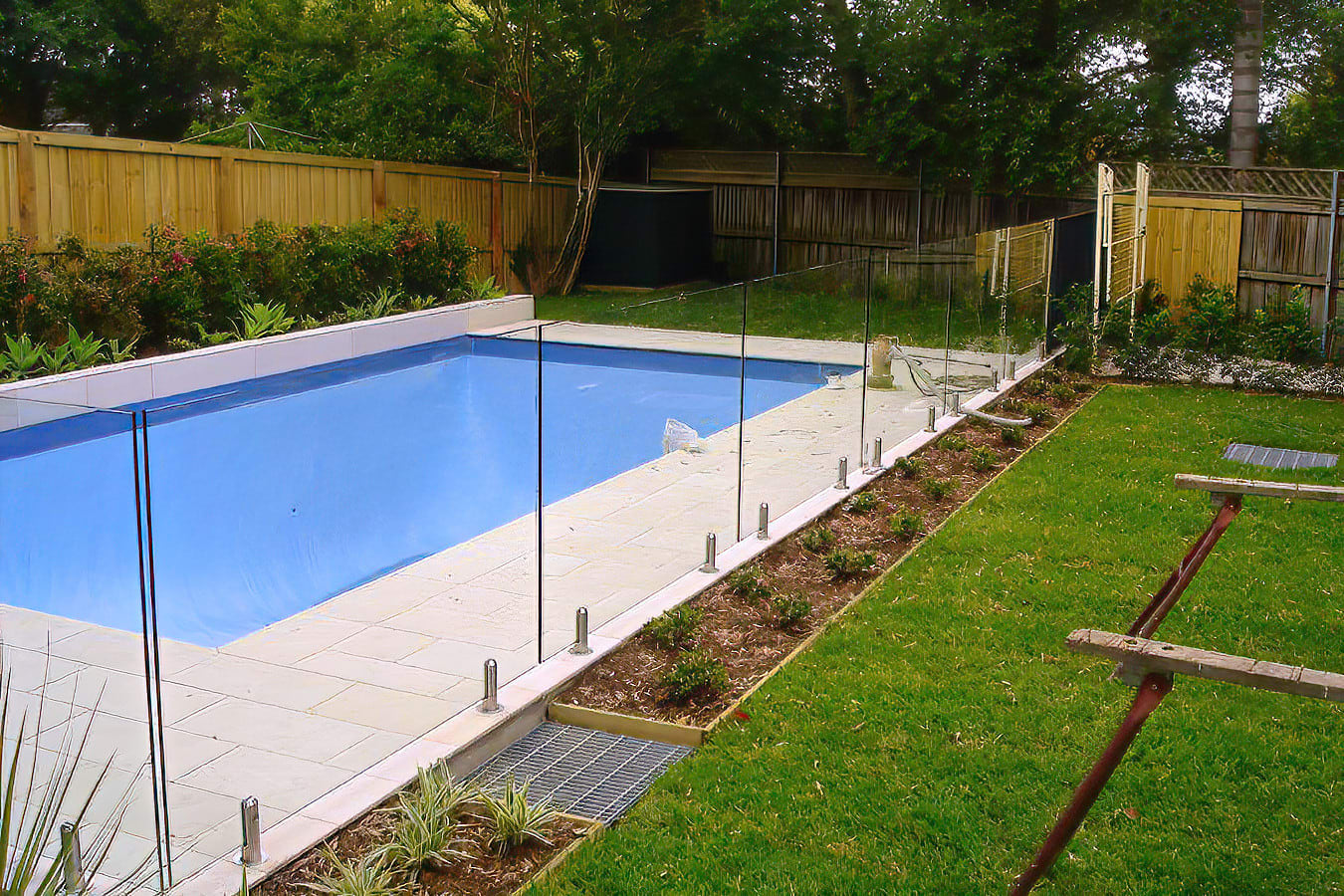


The growing global focus on sustainability and water conservation is fueling a significant expansion in the market for Drought-Tolerant Gardens. As regions around the world face increasing water scarcity and the impacts of climate change, homeowners, businesses, and municipalities are seeking practical solutions to reduce water consumption in landscaping. Drought-Tolerant Gardens offer a visually appealing and environmentally responsible answer, leading to a surge in demand for drought-resistant plants, innovative irrigation systems, and expert garden design.

Key Takeaways:
- The global market for Drought-Tolerant Gardens is experiencing substantial growth due to increased water scarcity and climate change concerns.
- Selecting the right drought-resistant plants, suited to specific regional climates, is crucial for success.
- Innovative irrigation techniques, such as drip irrigation and rainwater harvesting, play a vital role in water conservation within Drought-Tolerant Gardens.
- The future of the market involves embracing smart technology and promoting community education on sustainable gardening practices.
Understanding the Global Market for Drought-Tolerant Gardens
The global market for Drought-Tolerant Gardens is not just a trend; it’s a necessary adaptation to a changing world. Several factors are contributing to its impressive growth. Firstly, increasing awareness of environmental issues, particularly water conservation, is driving consumer demand for sustainable landscaping options. Secondly, government regulations and incentives promoting water-wise gardening are further fueling market expansion. Thirdly, technological advancements in irrigation systems and plant breeding are making Drought-Tolerant Gardens more accessible and efficient. From arid regions of the Southwestern United States to water-stressed areas in Australia and the Mediterranean, the need for beautiful, low-water landscapes is becoming increasingly apparent to us.
This growing demand translates into significant opportunities for nurseries, landscape designers, irrigation specialists, and suppliers of drought-resistant plants. Businesses that can offer expertise in creating aesthetically pleasing and ecologically sound Drought-Tolerant Gardens are well-positioned for success in this expanding market. It also creates an opportunity for local communities to learn more about how they can help create an environment of sustainability.
Selecting the Right Plants for Your Drought-Tolerant Gardens
The foundation of any successful Drought-Tolerant Gardens lies in choosing the right plants. Not all plants are created equal when it comes to water requirements. Native plants are generally a great choice, as they are already adapted to the local climate and soil conditions. Succulents, such as agave and sedum, are also popular choices due to their water-storing capabilities. Other excellent options include drought-resistant perennials like lavender, yarrow, and coneflowers.
When selecting plants, it’s crucial to consider your region’s specific climate, soil type, and average rainfall. What thrives in the Arizona desert may not fare well in the Mediterranean climate of California. Researching local nurseries and gardening resources can provide valuable insights into the best plant choices for your area. Additionally, grouping plants with similar water needs together, a practice known as hydrozoning, can optimize irrigation efficiency. These plants work well when we keep them grouped together.
Innovative Irrigation Techniques in Drought-Tolerant Gardens
Even with drought-resistant plants, efficient irrigation is essential for maintaining healthy Drought-Tolerant Gardens. Traditional sprinkler systems often waste water through evaporation and runoff. Drip irrigation, which delivers water directly to the plant roots, is a much more efficient option. This method minimizes water loss and ensures that plants receive the moisture they need.
Rainwater harvesting is another excellent technique for conserving water in Drought-Tolerant Gardens. Collecting rainwater from rooftops and storing it in tanks allows you to supplement your irrigation needs with a free and sustainable water source. Other water-wise strategies include mulching to reduce evaporation from the soil surface and using greywater (recycled water from showers and sinks) for irrigation where permitted.
The Future Outlook for Drought-Tolerant Gardens
The future of Drought-Tolerant Gardens is bright, with ongoing innovations and increasing consumer demand. Smart irrigation systems that use sensors and weather data to automatically adjust watering schedules are becoming more prevalent. These systems can optimize water use and prevent overwatering, leading to significant savings.
Furthermore, community education and outreach programs play a vital role in promoting the adoption of Drought-Tolerant Gardens. By educating homeowners and businesses about the benefits of water-wise landscaping, we can encourage a shift towards more sustainable gardening practices. As climate change continues to impact water resources around the world, Drought-Tolerant Gardens will become an increasingly important solution for creating beautiful and sustainable landscapes.


%20and%20non-AMP%20web%20page%20comparison.gif?width=500&name=Accelerated%20Mobile%20Pages%20(AMP)%20and%20non-AMP%20web%20page%20comparison.gif "Optimizing SEO: Unleashing AMP’s Mobile Page Speed Advantage")