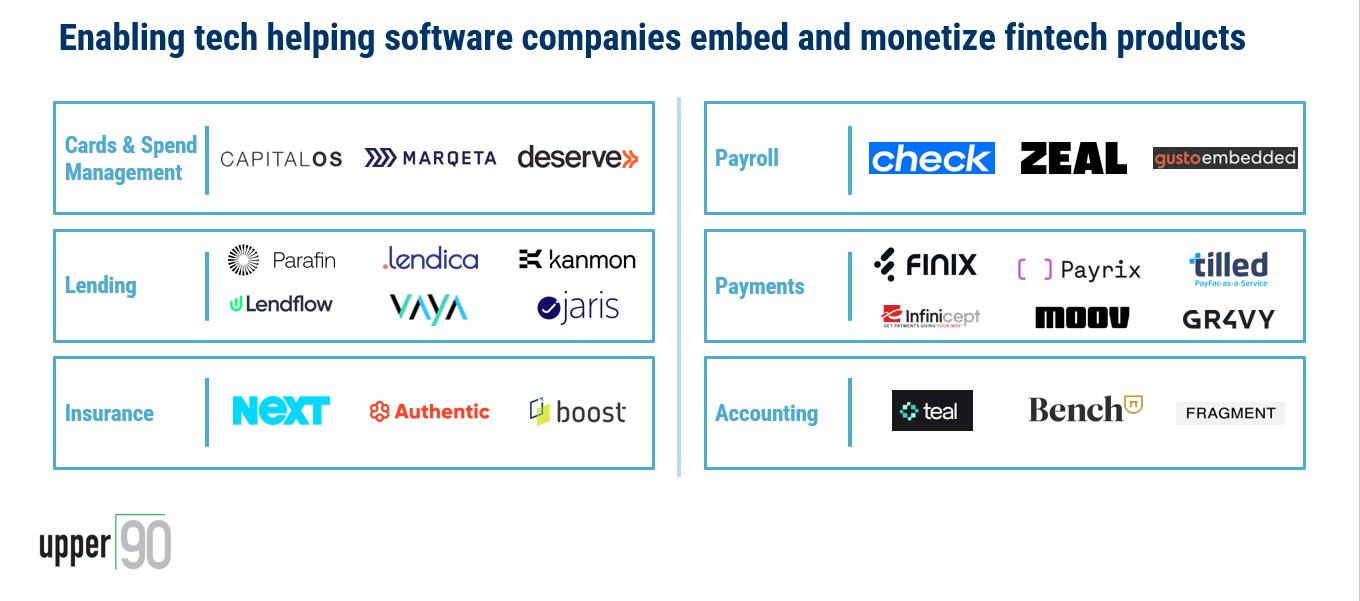


The business world is increasingly interconnected. Companies are no longer operating in silos but are instead becoming part of complex networks of partners, suppliers, customers, and technologies. This interconnectedness is driving the need for Ecosystem Integration, which is quickly becoming a critical success factor for businesses across various industries. The global market for Ecosystem Integration is experiencing significant growth, offering numerous opportunities for organizations that can effectively leverage this powerful approach.

Key Takeaways:
- Ecosystem Integration is experiencing rapid global market growth due to increasing business interconnectedness.
- Effective Ecosystem Integration offers significant benefits, including enhanced innovation, improved customer experiences, and increased revenue streams.
- Challenges to Ecosystem Integration include data security concerns, lack of standardization, and organizational silos, which must be addressed to ensure success.
- Future trends in Ecosystem Integration include the rise of AI-powered integration platforms and the increasing importance of industry-specific solutions.
Understanding Ecosystem Integration Global Market Growth Opportunities
Ecosystem Integration refers to the process of connecting different systems, applications, and data sources within and outside an organization to create a unified and seamless digital environment. This involves integrating internal systems with external partners, suppliers, and customers, enabling real-time data exchange, streamlined workflows, and collaborative innovation.
The global market for Ecosystem Integration is driven by several factors, including the increasing adoption of cloud computing, the proliferation of APIs, and the growing demand for digital transformation. Organizations are recognizing that Ecosystem Integration is essential for achieving agility, improving operational efficiency, and delivering superior customer experiences. This is particularly true as customers expect more personalized and connected experiences, regardless of the channel they use. We are also seeing a shift towards platform-based business models, which rely heavily on Ecosystem Integration to connect different players and create value.
Benefits of Ecosystem Integration Driving Market Growth
The adoption of Ecosystem Integration offers a multitude of benefits that contribute to market growth and business success. Some of the key advantages include:
- Enhanced Innovation: By connecting with external partners and data sources, organizations can access new ideas, technologies, and expertise, fostering innovation and accelerating product development.
- Improved Customer Experiences: Ecosystem Integration enables businesses to deliver seamless and personalized customer experiences across all touchpoints, leading to increased customer satisfaction and loyalty.
- Increased Revenue Streams: By connecting with new markets and partners, organizations can expand their reach and create new revenue streams through joint ventures, cross-selling opportunities, and value-added services.
- Streamlined Operations: Ecosystem Integration automates workflows, reduces manual processes, and improves data accuracy, leading to increased operational efficiency and reduced costs.
- Better Data Visibility and Insights: Connecting data sources provides a more complete view of business operations, enabling better decision-making and improved business outcomes. This allows us to make more informed choices as a whole.
Addressing Challenges in Ecosystem Integration for Market Growth
While the benefits of Ecosystem Integration are clear, implementing it effectively can be challenging. Organizations need to address several key issues to ensure the success of their integration initiatives:
- Data Security and Privacy: Connecting systems and sharing data with external partners requires robust security measures to protect sensitive information from unauthorized access and breaches. This includes implementing encryption, access controls, and data governance policies.
- Lack of Standardization: Different systems and applications may use different data formats, protocols, and standards, making integration complex and time-consuming. Organizations need to adopt industry standards and use integration tools that can handle different data formats.
- Organizational Silos: Ecosystem Integration requires collaboration across different departments and business units. Organizations need to break down internal silos and foster a culture of collaboration and knowledge sharing.
- Complexity: The complexity of modern IT environments can make Ecosystem Integration projects challenging. Organizations need to adopt a strategic approach to integration, starting with clearly defined goals and a well-defined architecture.
- Integration cost: Depending on which method is chosen, Ecosystem Integration can be costly; this could range from platform subscriptions, hiring a team or individuals, or training employees to use the platform.
Future Trends Shaping Ecosystem Integration Market Growth
The Ecosystem Integration market is constantly evolving, driven by new technologies and changing business needs. Some of the key trends shaping the future of Ecosystem Integration include:
- AI-Powered Integration Platforms: Artificial intelligence (AI) is being used to automate integration tasks, improve data quality, and provide real-time insights into integration performance. AI-powered integration platforms can help organizations simplify integration processes and reduce the risk of errors.
- Low-Code/No-Code Integration: These platforms enable citizen integrators (non-technical users) to build integrations without writing code. This reduces the burden on IT departments and empowers business users to quickly connect different systems and applications.
- Industry-Specific Solutions: As Ecosystem Integration becomes more prevalent, we are seeing the emergence of industry-specific integration solutions that are tailored to the unique needs of different sectors. These solutions provide pre-built connectors and templates that simplify integration for organizations in specific industries.
- API-First Approach: With more and more companies starting to understand the importance of APIs, the demand for API management and security will continue to grow. Organizations are increasingly adopting an API-first approach, designing APIs as the foundation for all integration initiatives. This enables them to create reusable integration assets and build more flexible and scalable integration solutions.
- Edge Integration: As the Internet of Things (IoT) continues to grow, edge integration is becoming increasingly important. Edge integration involves processing data and running integration logic closer to the source of data, reducing latency and improving performance.