The Daily Observer

We observe, you read and decide

lexutor

Skill Games The Future of NC Bar Entertainment

The Rise of Skill Games in North Carolina

North Carolina’s entertainment landscape is undergoing a transformation, with skill games rapidly gaining popularity. These games, often found in bars and entertainment venues, offer a blend of chance and skill, creating a unique and engaging experience for players. Unlike traditional casino games, skill games emphasize player ability, leading to a different kind of excitement and a growing segment of patrons drawn to this alternative form of entertainment.

The Mechanics of Skill Games: More Than Just Luck

Skill games aren’t just a roll of the dice or a spin of the wheel. They often involve dexterity, strategy, and quick thinking. Many involve digital interfaces, incorporating elements of arcade-style games or even puzzles. This element of skill differentiates them from games of pure chance, attracting players who enjoy testing their abilities and seeing tangible results from their efforts. The reward system, while potentially offering cash prizes, is often tied to the player’s skill and performance, creating a sense of fair competition.

Economic Impact and Job Creation

The growing popularity of skill games translates into tangible economic benefits for North Carolina. Bars and entertainment venues incorporating skill games often see increased revenue and customer traffic. This translates into job creation, both directly within the venues and indirectly through the support industries that supply and maintain the equipment. For many small businesses, the addition of skill games provides a competitive edge in attracting and retaining customers, bolstering the overall economic health of local communities.

Addressing Concerns and Regulations

As with any emerging industry, skill games have faced scrutiny and regulatory challenges. Concerns regarding potential for gambling addiction and the need for clear guidelines on operation and payouts are valid and need to be addressed. Responsible regulation, ensuring fair play and player protection, is crucial for the sustained growth and success of the skill game industry. Clear guidelines regarding game mechanics, payout structures, and age restrictions are vital to ensure ethical and responsible operation.

The Social Aspect of Skill Games: Building Community

Skill games offer more than just a chance to win; they create a social environment. Players often interact with each other, sharing strategies and enjoying the competitive yet friendly atmosphere. This community aspect enhances the overall experience, transforming a simple game into a social outing. Many establishments find that skill games foster a sense of camaraderie among patrons, contributing to a more vibrant and engaging atmosphere.

The Future of Skill Games in NC Entertainment: A Growing Trend

The future of skill games in North Carolina’s entertainment scene looks bright. As the industry matures and regulations become clearer, we can expect to see continued growth and innovation. New games, enhanced technologies, and perhaps even specialized skill-game venues could emerge. The key to long-term success lies in responsible development, clear regulatory frameworks, and a commitment to providing a safe and enjoyable experience for all players. The industry has a chance to become a significant contributor to the state’s economy and entertainment landscape.

Skill Games and Traditional Entertainment: A Complementary Relationship

Rather than competing with traditional forms of entertainment, skill games can complement them. Bars and restaurants can use skill games to attract a broader range of customers and enhance the overall experience. This diversification in entertainment options benefits both the businesses and the patrons, creating a more dynamic and engaging atmosphere for everyone. It’s a trend that is likely to continue to evolve and expand, bringing new excitement to North Carolina’s nightlife.

Balancing Entertainment and Responsibility: The Path Forward

The ongoing discussion about responsible gaming practices is critical for the sustainable growth of the skill game industry. Industry leaders, regulators, and community stakeholders must collaborate to ensure that the benefits of skill games are realized while mitigating potential risks. By prioritizing responsible gaming initiatives, promoting awareness of problem gambling, and adhering to ethical business practices, the skill game industry can build a positive reputation and contribute to a vibrant and responsible entertainment landscape in North Carolina. Read also about skill-based gaming equipment for bars in North Carolina.

New Deal Makes Research Publicly Available

The Genesis of Open Access: A New Deal Legacy

The New Deal, President Franklin D. Roosevelt’s ambitious program to combat the Great Depression, is often remembered for its infrastructure projects and social safety nets. But its legacy extends far beyond bridges and welfare programs. A less-known, yet equally significant, aspect of the New Deal was its commitment to making federally funded research publicly accessible. This proactive approach laid the groundwork for the modern open access movement, fostering collaboration and accelerating scientific progress in ways that continue to resonate today.

Funding Scientific Research: A National Priority

Recognizing the critical role of science and technology in national development and economic recovery, the New Deal invested heavily in research across various fields. From agricultural advancements to advancements in public health, the sheer scale of funding was unprecedented. This wasn’t just about throwing money at the problem; it was a strategic investment designed to leverage the power of scientific inquiry to address the nation’s most pressing challenges. Crucially, the government understood that the benefits of this research should not be confined to a select few but should be shared with the entire nation.

Breaking Down Barriers to Knowledge: Accessibility as a Core Principle

Unlike previous eras where scientific findings were often guarded by private institutions or individual researchers, the New Deal emphasized the importance of disseminating knowledge freely. This wasn’t simply a matter of altruism; it was a pragmatic approach that recognized the synergistic effects of widespread access to research findings. By making this data public, the government fostered collaboration, allowing researchers across institutions and disciplines to build upon existing knowledge, accelerating the pace of discovery and innovation.

The Role of Government Agencies in Dissemination

Various New Deal agencies played a key role in ensuring the public availability of research. The Agricultural Adjustment Administration (AAA), for instance, published numerous bulletins and reports on agricultural practices and crop yields. Similarly, the Works Progress Administration (WPA) funded research projects in the arts and humanities, and the results were disseminated widely through publications and exhibitions. These agencies understood that the public had a right to access the knowledge they funded, fostering a culture of transparency and accountability.

Long-Term Impact on Scientific Collaboration and Progress

The open access principles embedded within the New Deal’s approach to research had a profound and lasting impact. It nurtured a culture of collaboration and knowledge sharing that transcended institutional boundaries. Researchers were encouraged to build upon each other’s work, leading to a more rapid accumulation of scientific knowledge. This collaborative environment, fostered by the policy of public accessibility, accelerated the pace of scientific advancements in various fields, leading to tangible improvements in the quality of life for many Americans.

A Model for the Future of Open Science

The New Deal’s commitment to making federally funded research publicly available serves as a powerful model for contemporary discussions surrounding open science. In today’s world, where the cost of research is constantly rising and the need for collaboration is more critical than ever, the lessons learned from the New Deal remain strikingly relevant. By embracing the principles of open access, we can ensure that the benefits of scientific discovery are widely shared, fostering innovation and addressing the challenges of our time.

Beyond the Archives: A Living Legacy

While the specific agencies and programs of the New Deal are now part of history, the underlying philosophy of open access continues to inform policy debates and shape practices in the scientific community. The digital age has further amplified the importance of open access, providing unprecedented opportunities for sharing research data and fostering global collaboration. The New Deal’s legacy is not simply a historical footnote; it remains a vibrant and influential force in the ongoing quest to make scientific knowledge freely available to all. Click here to learn about the open access publishing agreement.

Eco-Friendly Packaging The Sustainable Choice

The Growing Concern Over Traditional Packaging

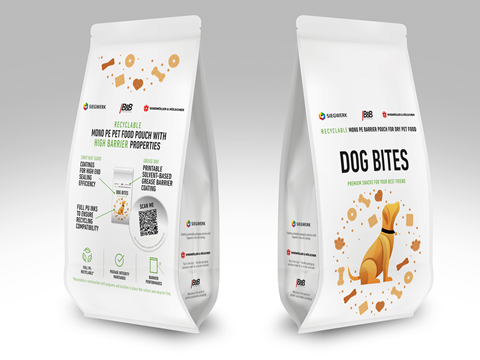
For years, we’ve been accustomed to convenient packaging – plastic wraps, polystyrene containers, and cardboard boxes often coated in plastic. While practical for transportation and preservation, these materials come at a steep environmental cost. The production process is energy-intensive, often relying on fossil fuels. Furthermore, much of this packaging ends up in landfills, where it takes hundreds, even thousands, of years to decompose, contributing significantly to pollution and harming wildlife.

The Environmental Impact of Non-Sustainable Packaging

The sheer volume of waste generated by traditional packaging is alarming. Plastic, in particular, is a major culprit. It pollutes our oceans, harming marine life through entanglement and ingestion. Even biodegradable materials like cardboard can have a significant environmental footprint when considering the deforestation needed for their production and the energy used in their processing and transportation. The carbon emissions associated with the entire lifecycle of non-sustainable packaging are a pressing concern in the fight against climate change.

The Rise of Eco-Friendly Packaging Alternatives

Fortunately, a growing awareness of the environmental crisis is fueling innovation in the packaging industry. A wave of eco-friendly alternatives is emerging, offering solutions that minimize environmental impact without sacrificing functionality or convenience. These include biodegradable and compostable materials like mushroom packaging, seaweed packaging, and plant-based plastics derived from sources like corn starch or sugarcane bagasse.

Biodegradable and Compostable Packaging Materials

Biodegradable packaging is designed to break down naturally in the environment, usually through microbial action. Compostable packaging goes a step further, breaking down into organic matter suitable for enriching soil. These options significantly reduce landfill waste and lessen the burden on ecosystems. However, it’s crucial to check for certification to ensure the materials are truly biodegradable or compostable under appropriate conditions. Improper disposal can negate their positive environmental effects.

Recyclable Packaging and the Importance of Recycling Programs

While not inherently sustainable, recyclable packaging offers a second chance for materials, reducing the need for virgin resources. However, the effectiveness of recycling hinges on robust recycling programs and consumer participation. Effective recycling involves proper sorting and efficient processing facilities. The lack of accessible recycling infrastructure or consumer apathy can render even recyclable packaging unsustainable.

Reusable Packaging and the Circular Economy

Reusable packaging represents a significant step towards a circular economy, where materials are kept in use for as long as possible, minimizing waste and reducing the need for constant production. This could involve returnable containers, reusable shopping bags, or innovative systems for collecting and cleaning packaging for reuse. While potentially more expensive upfront, reusable packaging offers substantial long-term environmental and economic benefits.

Sustainable Packaging Design and Minimization

Sustainable packaging isn’t solely about the materials; it’s also about the design. Minimizing packaging volume and weight reduces transportation costs and emissions. Smart design can eliminate unnecessary layers or components, simplifying the recycling process and reducing waste. Clever use of space and lightweight materials can have a considerable cumulative impact.

Consumer Choices and the Power of Demand

Ultimately, the shift towards eco-friendly packaging relies on consumer demand. By actively choosing products with sustainable packaging, consumers send a powerful message to manufacturers, encouraging them to prioritize environmentally responsible practices. Supporting businesses that champion sustainable packaging solutions is a vital step in creating a more environmentally conscious future.

The Future of Eco-Friendly Packaging

The future of packaging is undoubtedly moving towards sustainability. Continued research and development are crucial for creating innovative, affordable, and widely accessible eco-friendly options. Collaboration between manufacturers, policymakers, and consumers will pave the way for a packaging landscape that minimizes environmental harm and contributes to a healthier planet. Read also about eco-friendly packaging supplies.

Blockchain’s New Frontier Tokenized Assets

What are Tokenized Assets?

Tokenization is the process of representing real-world assets, such as real estate, art, or even intellectual property, as digital tokens on a blockchain. These tokens, often represented as NFTs (Non-Fungible Tokens) or other types of digital assets, mirror the ownership and characteristics of the underlying asset. This allows for fractional ownership, easier trading, and increased liquidity in markets traditionally plagued by high transaction costs and slow processing times.

The Blockchain Advantage in Asset Tokenization

Blockchain’s decentralized, transparent, and secure nature makes it the ideal platform for tokenizing assets. Its immutable ledger ensures transparency and prevents tampering with ownership records, offering a high degree of trust and security. Smart contracts, self-executing contracts with the terms of the agreement between buyer and seller directly written into code, automate the transfer of ownership and other processes, streamlining the entire transaction process. This reduces reliance on intermediaries, lowering costs and speeding up transactions.

Fractional Ownership and Increased Liquidity

One of the most significant advantages of tokenized assets is the ability to divide assets into smaller, easily tradable units. This allows more people to participate in markets previously inaccessible due to high minimum investment thresholds. For instance, owning a piece of a valuable artwork or a share of a high-value real estate property becomes achievable for a wider range of investors. This increased accessibility fuels higher liquidity, making it easier to buy and sell these assets quickly and efficiently.

Real-World Applications of Tokenized Assets

The applications of tokenized assets are vast and continue to expand. In the real estate sector, fractional ownership through tokens allows investors to diversify their portfolios and access properties they wouldn’t be able to afford otherwise. In the art market, tokenization provides verifiable provenance and simplifies the buying, selling, and trading of digital and physical artwork. Beyond these, we see applications emerging in areas like supply chain management, where tokens can track goods throughout their journey, and in the financial sector, where tokenized securities offer a more efficient and transparent way of managing investments.

The Role of NFTs in Asset Tokenization

Non-Fungible Tokens (NFTs) play a crucial role in tokenizing unique and non-divisible assets. Unlike cryptocurrencies like Bitcoin which are fungible (interchangeable), NFTs represent unique digital assets with verifiable ownership. This is particularly relevant for unique items like artwork, collectibles, and intellectual property rights, where maintaining proof of ownership and authenticity is paramount. NFTs provide a secure and tamper-proof record of ownership, adding value and trust to the asset.

Challenges and Regulatory Considerations

While the potential of tokenized assets is enormous, there are challenges to overcome. Regulatory clarity is crucial. Governments worldwide are grappling with how to regulate these new forms of digital assets, and a consistent regulatory framework is needed to foster growth and prevent misuse. Concerns around security, scalability, and interoperability between different blockchain platforms also need addressing. These challenges, however, do not overshadow the transformative potential of tokenized assets to revolutionize various sectors.

The Future of Tokenized Assets

The future of tokenized assets looks bright. As blockchain technology matures and regulatory frameworks evolve, we can expect to see even wider adoption across diverse sectors. The ability to fractionalize ownership, enhance liquidity, and increase transparency will continue to attract investors and businesses. The development of new blockchain infrastructure and improved interoperability will further fuel this growth, leading to a more efficient and accessible global economy.

Security and Trust in Tokenized Asset Platforms

The security of the blockchain platform and the smart contracts used to govern tokenized assets is paramount. Robust security measures are necessary to protect against hacking and fraud. Furthermore, building trust in the underlying platform is essential for widespread adoption. This necessitates transparent processes, rigorous audits, and community involvement to ensure the integrity and reliability of tokenized asset platforms.

The Impact on Traditional Markets

Tokenized assets are poised to disrupt traditional markets significantly. Their increased efficiency, reduced costs, and enhanced transparency can challenge established intermediaries and create new opportunities for participants. This disruption, however, will also lead to opportunities for collaboration and innovation as traditional players adapt to this new landscape and integrate tokenization into their operations. The result will likely be a more efficient and competitive market environment. Read more about tokenized assets on the blockchain.

Remote IT Support Fast, Reliable, Affordable

The Growing Need for Remote IT Support

In today’s interconnected world, businesses of all sizes rely heavily on technology. From email and communication systems to critical business applications and data storage, everything runs on IT infrastructure. When something goes wrong, the impact can be devastating, leading to lost productivity, financial losses, and damage to reputation. This reliance on technology has fueled a dramatic increase in the demand for reliable and efficient IT support, and remote support has become the preferred solution for many.

The Advantages of Remote IT Support

Remote IT support offers numerous benefits over traditional on-site support. Firstly, it’s significantly faster. Instead of waiting for a technician to travel to your location, often facing scheduling conflicts and travel time, remote support can connect you with an expert almost instantly. This immediate access minimizes downtime and allows for quicker resolution of technical problems. Secondly, remote support is more cost-effective. You eliminate travel expenses and potentially reduce the need for a full-time, in-house IT team, saving on salaries and benefits. Thirdly, remote support provides access to a wider pool of expertise. A local IT company might have limited specialists, whereas a remote support provider can access a team of experts across various disciplines.

How Remote IT Support Works

Remote IT support typically utilizes secure remote access software that allows the technician to access your computer or network remotely. This software is highly secure and encrypted to protect your sensitive data. Once connected, the technician can diagnose the problem, troubleshoot issues, and implement solutions, often without you needing to lift a finger beyond providing access. The whole process is usually guided by the technician, making it simple and easy to follow, even for those with limited technical knowledge.

Finding a Reliable Remote IT Support Provider

Choosing the right remote IT support provider is crucial. Look for providers with proven experience, positive customer reviews, and a strong track record of resolving issues quickly and efficiently. Consider their service level agreements (SLAs), ensuring they offer guaranteed response times and uptime. Inquire about their security protocols to ensure your data is protected and their technicians are adequately vetted. Transparency is key, so choose a provider that clearly outlines its pricing structure and service offerings. Don’t hesitate to ask questions and compare quotes from multiple providers before making a decision.

The Cost-Effectiveness of Remote IT Support

While the initial cost of remote IT support might seem comparable to on-site support, the long-term savings are substantial. You avoid the expense of travel, on-site visits, and potentially high salaries for in-house IT staff. Remote support often comes with flexible packages, allowing you to choose the level of support that best fits your budget and needs. This scalability is a significant advantage for businesses that experience fluctuating IT demands.

Choosing the Right Remote Support Plan

Most providers offer various support plans, each catering to different needs and budgets. Some plans provide basic troubleshooting and support for common issues, while others offer comprehensive managed services, covering everything from network security to software updates and maintenance. Carefully assess your business’s IT requirements and choose a plan that addresses your specific needs. Don’t overspend on features you won’t utilize, but equally, don’t compromise on essential security and support services.

Ensuring Data Security with Remote IT Support

Data security is a paramount concern when using remote IT support. Reputable providers utilize strong encryption protocols and adhere to strict security standards to safeguard your sensitive information. Before engaging a provider, confirm their security measures, including data encryption, access controls, and compliance with relevant data protection regulations. Check their reviews to see if any past security breaches have been reported.

Beyond Troubleshooting: Proactive Remote IT Support

Remote IT support extends beyond simply reacting to problems. Many providers offer proactive services, such as regular system monitoring, software updates, and preventative maintenance. This proactive approach can help identify and address potential issues before they escalate, minimizing downtime and preventing costly repairs. Proactive support can significantly improve the overall efficiency and stability of your IT infrastructure.

Remote IT Support: A Modern Necessity

In conclusion, remote IT support has become an indispensable tool for businesses of all sizes. Its speed, cost-effectiveness, and accessibility make it a superior solution to traditional on-site support. By carefully selecting a reliable and reputable provider and choosing a support plan that meets your specific needs, businesses can ensure the smooth and efficient operation of their IT infrastructure, minimizing disruptions and maximizing productivity. Read more about remote IT support businesses.

Remote IT Support Small Business Solutions

The Growing Need for Remote IT Support for Small Businesses

Small businesses are the backbone of many economies, yet they often lack the resources of larger corporations. This is especially true when it comes to IT. Managing technology can be a significant drain on time and resources for small business owners, often distracting them from their core business functions. The good news is that remote IT support offers a cost-effective and efficient solution to this growing challenge. It allows small businesses to access high-quality IT expertise without the overhead of employing a full-time IT staff.

Cost-Effectiveness: A Key Benefit of Remote IT Support

Hiring a dedicated IT person can be expensive, considering salaries, benefits, and office space. Remote IT support providers offer flexible pricing models, often based on packages tailored to the specific needs of the small business. This means you only pay for the services you need, avoiding unnecessary expenses. This predictable monthly cost allows for better budgeting and financial planning, ensuring that IT support doesn’t become a financial burden.

Enhanced Productivity and Reduced Downtime

Downtime due to technical issues can severely impact a small business’s productivity and profitability. Remote IT support providers are readily available to address issues quickly, minimizing disruption to workflow. They can often resolve problems remotely, eliminating the need for on-site visits and saving valuable time. This proactive approach, coupled with preventative maintenance, keeps systems running smoothly and increases overall efficiency.

Access to Specialized Expertise Without the Expense

Small businesses rarely have the budget to hire specialists in every area of IT. Remote IT support providers offer a wide range of expertise, from network security and data backup to software troubleshooting and cloud solutions. This means you can access specialized knowledge and skills without the commitment and cost of hiring multiple specialists in-house. This allows you to focus on your business’ strengths.

Scalability and Flexibility to Grow With Your Business

As your small business grows, your IT needs will likely change. Remote IT support providers can easily scale their services to meet your evolving requirements. Whether you need additional support during peak seasons or require new software implementations, a remote provider can adapt to your changing needs, offering a flexible and scalable solution for the long term.

Improved Security Measures and Data Protection

Cybersecurity is a critical concern for businesses of all sizes. Remote IT support providers offer robust security measures to protect your data from cyber threats. They can implement firewalls, intrusion detection systems, and other security protocols to safeguard sensitive information. Regular security assessments and updates help minimize vulnerabilities and protect your business from costly data breaches.

24/7 Support and Accessibility

Many remote IT support providers offer 24/7 support, ensuring that assistance is available whenever needed. This is particularly crucial for businesses that operate around the clock or rely heavily on technology. This continuous support minimizes downtime and provides peace of mind, knowing that help is always readily available.

Streamlined Communication and Collaboration

Remote IT support providers utilize various communication tools, such as email, phone, and remote desktop access, to ensure seamless communication and collaboration. This allows for efficient problem-solving and keeps you informed throughout the process. The ease of communication fosters a strong working relationship and ensures that your specific needs are understood and addressed promptly.

Focus on Core Business Activities

By outsourcing your IT needs, you free up valuable time and resources to concentrate on your core business activities. This allows you to focus on growth strategies, customer relationships, and other critical aspects of running a successful small business. Ultimately, efficient IT support contributes to a more productive and profitable business.

Choosing the Right Remote IT Support Provider

Selecting the right provider is crucial. Research different providers, compare their services and pricing, and read reviews from other small business clients. Look for a provider with a proven track record, a commitment to customer service, and the expertise to meet your specific IT needs. Investing time in this research will pay off in the long run. Read more about remote IT support for small businesses.

Conscious Clothing Your Style, Planet-Friendly

Understanding Conscious Clothing

Conscious clothing isn’t just a trend; it’s a mindful approach to fashion. It’s about considering the entire lifecycle of a garment, from the raw materials to its disposal, and making ethical and sustainable choices along the way. This encompasses the environmental impact, the fair treatment of workers involved in its production, and the overall durability and longevity of the clothing itself. It’s about moving away from fast fashion’s throwaway culture and embracing quality over quantity.

The Environmental Impact of Fast Fashion

Fast fashion’s environmental footprint is staggering. The industry is a significant contributor to water pollution, with vast amounts of water used in cotton farming and textile dyeing. The production process generates considerable greenhouse gas emissions, contributing to climate change. Mountains of textile waste end up in landfills every year, where they take centuries to decompose, releasing harmful chemicals into the environment. Conscious clothing seeks to mitigate these issues through eco-friendly materials and production methods.

Ethical Production and Fair Labor Practices

Beyond the environmental impact, conscious clothing emphasizes ethical labor practices. Fast fashion is often associated with sweatshops and exploitative working conditions, where workers endure long hours, low wages, and unsafe environments. Conscious brands prioritize fair wages, safe working conditions, and transparency in their supply chains. They often work directly with producers to ensure ethical treatment and build lasting relationships.

Choosing Sustainable Fabrics

Many sustainable fabrics are readily available, offering eco-friendly alternatives to conventionally produced materials. Organic cotton, for instance, requires less water and pesticides than conventional cotton. Hemp, linen, and Tencel are also excellent choices, known for their durability, breathability, and low environmental impact. Recycled materials, made from pre-consumer or post-consumer waste, offer a fantastic way to reduce textile waste and lessen the demand for virgin resources.

The Importance of Durability and Longevity

Conscious clothing prioritizes quality over quantity. Investing in well-made garments that are durable and long-lasting is a crucial aspect of this approach. Choosing clothes made from high-quality materials and constructed with robust stitching means they’ll last longer, reducing the need for frequent replacements and minimizing waste. This also often translates to a higher initial cost, but the investment pays off in the long run through increased longevity and reduced environmental impact.

Caring for Your Conscious Clothes

Extending the life of your clothes is just as important as choosing sustainable options. Proper care, including washing at lower temperatures, air-drying, and repairing minor damages, significantly contributes to their longevity. Learning basic mending techniques can help extend the life of your garments and reduce the need for replacements. Taking care of your clothes is an active part of the conscious clothing lifestyle.

Supporting Conscious Brands

Supporting brands committed to sustainability and ethical practices is essential to driving change within the fashion industry. Research brands that transparently share their supply chains, use sustainable materials, and adhere to fair labor practices. Look for certifications like GOTS (Global Organic Textile Standard) or Fair Trade to ensure that the brand meets certain environmental and social standards. Your purchasing decisions have a direct impact on the industry.

Beyond the Clothing: A Holistic Approach

Conscious clothing is more than just buying ethically made garments; it’s about adopting a mindful approach to your entire wardrobe. This includes reducing consumption, buying less but choosing better, prioritizing versatility and timeless styles, and being more mindful of your personal style so you’re more likely to keep and wear the clothes you purchase. It’s a journey towards a more sustainable and ethical relationship with fashion.

The Future of Fashion: A Conscious Shift

The demand for conscious clothing is growing, and more and more brands are responding to consumer demand for ethical and sustainable options. As awareness of the environmental and social costs of fast fashion increases, the industry is slowly but surely shifting towards a more responsible approach. By making conscious choices, consumers can help drive this positive change and contribute to a more sustainable future for fashion. Read more about sustainable fashion meaning.

Gryphon A Family’s Guide to Balanced Tech

Understanding Your Family’s Tech Needs

Before diving into screen time limits and app restrictions, take a moment to honestly assess your family’s tech usage. What devices does everyone use? How much time do they spend online? What are their primary online activities – gaming, social media, homework, or something else entirely? Understanding these foundational aspects will help you create a tech plan that truly works for your household. Are there specific concerns, like cyberbullying or excessive gaming, that need extra attention? Identifying these issues early is key to proactive management.

Setting Realistic Screen Time Limits

There’s no magic number for ideal screen time. It depends entirely on your family’s lifestyle, age of children, and individual needs. Instead of imposing arbitrary limits, consider a family approach. Discuss screen time as a family, encouraging open communication about everyone’s feelings and needs. Create a schedule together that balances tech use with other important activities like outdoor play, reading, family dinners, and homework. Flexibility is crucial. Weekends might allow for more screen time than weekdays, and special occasions may warrant exceptions. The goal isn’t rigid adherence, but rather mindful technology use.

Choosing the Right Apps and Games

Not all apps and games are created equal. Research apps before allowing your children to use them, paying close attention to privacy policies and age ratings. Look for educational apps that can complement schoolwork or foster creativity. When it comes to games, encourage those that promote problem-solving, teamwork, or strategic thinking. Keep a close eye on in-app purchases; many games are designed to tempt users with microtransactions, which can quickly become expensive. Consider using parental controls to restrict in-app purchases and limit access to certain apps.

Creating Tech-Free Zones and Times

Designating tech-free zones and times is essential for promoting healthy family dynamics and reducing screen time. This could mean a no-phones rule during dinner, a tech-free hour before bed, or a specific area of the house where devices are not allowed. These zones aren’t about punishment; they’re about creating opportunities for meaningful interaction and fostering healthier habits. Encourage alternative activities during these times, such as board games, family conversations, or outdoor activities.

Open Communication and Family Agreements

The most successful tech plans involve open and honest communication within the family. Regularly discuss screen time, online safety, and responsible tech use. Consider creating a family agreement, a document outlining expectations and consequences for breaking the rules. This should be a collaborative effort, involving everyone in the decision-making process, making them more likely to comply. Regularly review and revise this agreement as your family’s needs and technology usage evolve.

Modeling Healthy Tech Habits

Children learn by observing, so it’s crucial that parents model healthy tech habits themselves. If you’re constantly glued to your phone, it’s hard to expect your children to disconnect. Be mindful of your own tech use, and make a conscious effort to limit it, especially in the presence of your children. Lead by example by engaging in offline activities and prioritizing face-to-face interactions. This shows your children that technology is a tool, not the center of life.

Utilizing Parental Controls and Monitoring Tools

Parental control apps and settings are powerful tools for managing children’s online activity. These tools allow you to monitor screen time, block inappropriate content, and track app usage. Many devices and operating systems offer built-in parental controls; explore these features and choose the level of control that best suits your family’s needs. Remember, parental controls are a supportive tool, not a replacement for open communication and family discussion about responsible tech use.

Balancing Tech with Offline Activities

A balanced approach to technology involves actively promoting offline activities. Encourage physical activity, reading, creative pursuits, and social interaction. Schedule regular family outings, playdates, or hobbies that don’t involve screens. This helps children develop a well-rounded skill set, reducing reliance on technology for entertainment and social interaction. The goal is not to eliminate technology but to integrate it healthily into a vibrant and engaging lifestyle.

Addressing Tech-Related Challenges

Even with a well-structured plan, challenges may arise. Be prepared to address concerns such as cyberbullying, online predators, or excessive gaming. Talk openly with your children about these issues, emphasizing the importance of seeking help when needed. Stay informed about current online trends and safety concerns, and utilize available resources such as online safety guides and helplines. Remember, flexibility and adaptability are key to navigating the ever-changing landscape of technology. Click here for information about Gryphon screen time management.

What is Embedded Finance & How Does it Work?

What Exactly is Embedded Finance?

Embedded finance is the seamless integration of financial services into non-financial platforms and applications. Instead of users needing to navigate to a separate bank or financial institution’s website or app, they can access financial products and services directly within the platforms they already use regularly. Think of it like this: you’re using your favorite shopping app, and suddenly you have the option to pay with a buy-now-pay-later service, or take out a loan to finance your purchase, all without leaving the app. That’s embedded finance in action.

Examples of Embedded Finance in Action

The applications of embedded finance are incredibly diverse and expanding rapidly. Consider a ride-sharing app offering users instant insurance for each ride, a travel booking site allowing customers to secure travel insurance or finance their trip, or a social media platform enabling peer-to-peer payments. These are all practical examples of how companies are leveraging embedded finance to enhance user experience and expand revenue streams. Even software-as-a-service (SaaS) businesses are getting in on the action, offering integrated invoice financing or payment solutions for their clients directly within their platform.

How Embedded Finance Works: The Technical Side

Behind the scenes, embedded finance relies on a complex network of partnerships and APIs (Application Programming Interfaces). The non-financial platform partners with financial service providers (like banks, lenders, and insurers) to offer their services. APIs act as the bridges, connecting the platform’s user interface with the financial institution’s backend systems. This allows for secure and efficient data transfer, enabling users to seamlessly complete financial transactions without ever leaving the main application. Robust security protocols and regulatory compliance are absolutely crucial to ensure the safety and privacy of user data.

Benefits for Businesses Implementing Embedded Finance

For businesses, embedded finance offers a multitude of advantages. Primarily, it enhances customer loyalty by providing a more convenient and personalized user experience. It can also significantly boost revenue through increased sales and added fees from financial products. By offering relevant financial services, businesses can better meet customer needs and increase customer lifetime value. Furthermore, it can lead to the development of new revenue streams and open up opportunities for strategic partnerships with financial institutions.

Benefits for Consumers Using Embedded Finance Services

Consumers benefit greatly from the ease and convenience embedded finance offers. The process is streamlined, making financial transactions quicker and simpler. Users can access needed financial products at the precise moment they need them – no more navigating to separate websites or apps to complete transactions. This integrated approach removes friction and enhances the overall user experience, potentially offering more competitive pricing or tailored financial products based on individual needs and context.

The Role of APIs and Partnerships in Embedded Finance

APIs are the lifeblood of embedded finance, facilitating the communication between the platform and the financial service provider. These APIs allow for secure and efficient transfer of data, including user information, transaction details, and risk assessment factors. Strong partnerships between the technology platform and financial institutions are critical to ensuring compliance with regulations, maintaining data security, and providing a seamless customer experience. Selecting the right partners is essential to success, as they bring the financial expertise and regulatory know-how.

Security and Regulatory Considerations in Embedded Finance

Given the sensitive nature of financial data, security and regulatory compliance are paramount. Robust security measures, including encryption and multi-factor authentication, must be in place to protect user data from unauthorized access. Furthermore, businesses must comply with relevant regulations, such as data privacy laws (like GDPR or CCPA) and financial regulations specific to the offered products. Meeting these stringent requirements is critical to maintaining trust and avoiding legal repercussions.

The Future of Embedded Finance

The future of embedded finance is bright, with ongoing innovations and expansion into new areas. We can expect to see further integration into everyday applications, with even more diverse financial products becoming readily available. The potential to personalize financial services based on individual user behavior and needs is enormous. Expect more sophisticated risk assessment techniques, AI-driven solutions, and a continued focus on improving security and regulatory compliance to fuel the growth of embedded finance across industries. Read also about what is embedded finance.

Unlock Your Research New OA Publishing Grants

Understanding the Landscape of Open Access Publishing

The world of academic publishing is undergoing a significant shift towards open access (OA). This means making research articles freely available online, removing paywalls that traditionally restrict access. While this offers immense benefits – wider dissemination of knowledge, increased collaboration, and greater impact – the financial burden on researchers can be substantial. Many journals charge hefty publication fees, making it difficult for researchers, particularly those in less well-funded institutions, to participate in this crucial move towards open science. This is where OA publishing grants come in, offering vital support to researchers aiming to publish their work openly.

The Rise of Open Access Publishing Grants

Recognizing the financial barriers to OA publishing, numerous organizations, including funding agencies, universities, and philanthropic foundations, have established grants specifically designed to support researchers in covering article processing charges (APCs). These grants vary widely in their eligibility criteria, funding amounts, and application processes. Some are targeted towards specific disciplines or research areas, while others have broader scopes. The availability of these grants is steadily increasing, reflecting a growing global commitment to making research publicly accessible.

Identifying Relevant OA Publishing Grants

Finding the right OA publishing grant can feel overwhelming given the sheer number of options available. A thorough search is crucial. Begin by checking your institution’s internal funding opportunities; many universities offer internal grants specifically for OA publishing. Next, explore national and international funding agencies. Websites like those of the National Institutes of Health (NIH) in the US or the European Research Council (ERC) in Europe are excellent starting points. You can also utilize online grant databases that allow you to filter by keywords like “open access,” “publication fees,” and your specific research area. Don’t hesitate to reach out to your institution’s research office or library for assistance; they often possess valuable expertise and resources in this area.

Crafting a Competitive Grant Application

A strong grant application is paramount to securing funding. Start by carefully reading the grant guidelines; failure to adhere to specifications can lead to immediate rejection. Clearly articulate the significance of your research and why open access publication is crucial for its dissemination. Demonstrate a clear understanding of the grant’s objectives and how your project aligns with them. Present a detailed budget, justifying all expenses. A well-written narrative that highlights the broader impact of your research and its contribution to the open science movement will significantly strengthen your application. Finally, proofread meticulously to avoid any errors.

Navigating the Application Process and Beyond

The application process typically involves submitting a proposal, often including a research abstract, budget, and supporting documents like letters of support. Be sure to meet all deadlines and follow any instructions precisely. Once you’ve submitted your application, maintain communication with the granting agency if necessary. If successful, be sure to meticulously manage the funds received and adhere to the reporting requirements stipulated by the grant. Even if unsuccessful, don’t be discouraged. Use the feedback received (if available) to improve future applications. Remember that many grants are highly competitive, and persistence is key.

Maximizing the Impact of Your OA Publication

Securing an OA publishing grant is a significant achievement, but the journey doesn’t end there. To maximize the impact of your open access publication, consider strategies for promoting your research. Utilize social media platforms to share your findings. Engage in public outreach activities to communicate your research to a wider audience. Explore opportunities to present your work at conferences and workshops. By proactively disseminating your research, you can ensure that it reaches the broadest possible audience and contributes meaningfully to the advancement of knowledge.

Exploring Alternative Open Access Models

While APC-based OA publishing is common, other models exist. Some journals operate on a subscription model, offering OA access for specific articles without requiring APCs. Other institutions or organizations might offer support for publishing in journals employing these alternative models. Exploring these options can widen your possibilities and potentially help you to publish your research openly even if you’re unsuccessful in securing a traditional APC-based grant.

Staying Updated on Funding Opportunities

The landscape of OA publishing grants is constantly evolving. New grants are regularly announced, while existing ones may have shifting eligibility criteria. Staying informed is crucial. Regularly check the websites of relevant funding agencies and subscribe to newsletters or email alerts that announce new grant opportunities. Networking with colleagues and attending research conferences can also help you to stay abreast of the latest developments in this dynamic field. Proactive monitoring ensures you don’t miss potentially beneficial funding opportunities. Read more about open access publishing grants.