
The Daily Observer

We observe, you read and decide

Law

Talent Triumph: SEO Strategies for HR & Recruitment Success

Talent Triumph: SEO Strategies for HR & Recruitment Success

Introduction:

In the dynamic realm of human resources and recruitment, online visibility is paramount. This article navigates through the landscape of Search Engine Optimization (SEO) strategies uniquely tailored for HR and recruitment websites. Uncover insights that can elevate your platform’s reach, attract top talent, and redefine success in the competitive hiring landscape.

Understanding the Recruitment Landscape:

Before diving into SEO tactics, it’s essential to comprehend the competitive nature of the HR and recruitment industry. As platforms connecting employers with potential candidates, standing out is crucial. Tailoring SEO strategies to the specific needs of this dynamic sector is essential for HR and recruitment websites aiming to be leaders in the hiring game.

Keyword Research for Talent Attraction:

At the heart of successful SEO lies comprehensive keyword research. Identify terms and phrases relevant to the HR and recruitment landscape, job roles, and industries your platform serves. Craft content that aligns with the language used by job seekers and employers seeking talent online.

Optimizing Content for Candidate Engagement:

Content on HR and recruitment websites is not just about job listings; it’s a tool for engaging candidates. Craft compelling job descriptions, company profiles, and industry insights. Optimize this content with relevant keywords, creating an immersive experience that resonates with job seekers and employers looking for the perfect match.

Structuring Your Website for User-Friendly Hiring:

A well-structured website is critical for user experience and SEO. Categorize job listings logically, use clear navigation, and employ descriptive headings. Ensure that the structure of your website aligns with the efficiency and professionalism expected in the HR and recruitment industry, providing visitors with an intuitive and streamlined hiring experience.

Leveraging Social Media for Industry Connection:

Social media platforms are powerful tools for HR and recruitment websites to showcase job opportunities, company culture, and industry expertise. Share job highlights, career advice, and engaging content on platforms like LinkedIn, Twitter, and Facebook. Engaging with your audience through these channels not only builds brand awareness but also contributes to increased visibility and community engagement.

Building Backlinks for Recruitment Authority:

Quality backlinks from reputable sources play a crucial role in SEO success. Collaborate with industry influencers, participate in recruitment events, and engage in cross-promotional activities. These backlinks enhance your website’s authority within the HR and recruitment sector, positively impacting search engine rankings and positioning your platform as a trusted leader.

Mobile Optimization for On-the-Go Job Seekers:

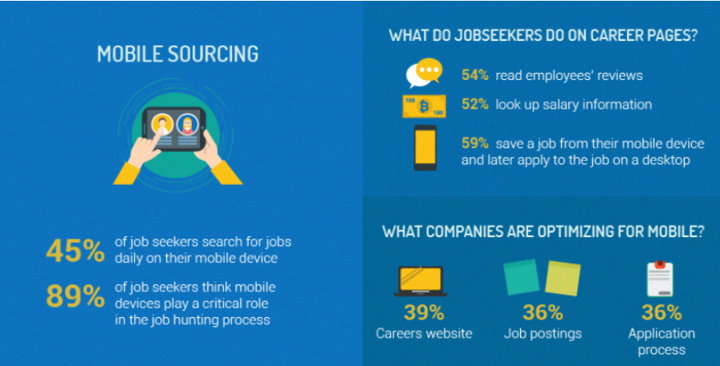
In a world where job searches happen on the go, ensure your website is optimized for mobile devices. Google prioritizes mobile-friendly websites, making this optimization crucial for favorable search rankings and accessibility to job seekers looking for opportunities while on the move.

Monitoring Performance with Analytics:

Regularly monitoring your website’s performance using analytics tools is vital. Track metrics such as website traffic, user engagement, and application rates. Analyzing this data provides insights into the effectiveness of your SEO efforts, allowing you to refine your strategy based on user behavior and the evolving needs of the HR and recruitment community.

Encouraging Job Seeker and Employer Interaction:

Foster a sense of community on your website by encouraging interaction. Create comment sections, forums, and events that invite job seekers and employers to share their experiences and insights. User interaction not only strengthens the sense of community but also signals positive indicators to search engines about the vibrancy of your HR and recruitment platform.

SEO for HR and Recruitment Websites: Redefining Hiring Success:

For a comprehensive understanding of SEO strategies tailored for HR and recruitment websites, visit SEO for HR and recruitment websites. Implementing these techniques will not only elevate your website’s visibility but also position it as a go-to destination for top talent and employers seeking the perfect match.

Conclusion:

In the competitive landscape of HR and recruitment, mastering SEO is a strategic imperative. By understanding the recruitment landscape, optimizing content, and leveraging social media and backlinks, HR and recruitment websites can redefine success in the hiring game, connecting top talent with the opportunities that match their skills and aspirations.

Global Economic Resilience: Navigating Labor Law Changes

Global Economic Resilience: Navigating Labor Law Changes

Introduction:

In an ever-evolving global landscape, changes in labor laws wield a profound influence on economic dynamics. This article explores how nations navigate and exhibit resilience in the face of such changes, highlighting the critical role of adaptability and policy response in sustaining global economic well-being.

Labor Market Dynamics and Adaptation:

Changes in labor laws trigger a ripple effect in labor markets worldwide. The adaptability of nations to these changes determines the resilience of their economies. Governments and businesses must navigate shifts in employment regulations to foster a workforce environment conducive to both worker rights and economic productivity.

Impact on Business Operations:

Labor law changes often impact business operations, influencing everything from hiring practices to workplace conditions. Understanding and responding effectively to these changes are essential for businesses aiming to maintain operational efficiency, human resource management, and overall economic viability.

Worker Protections and Economic Balance:

Labor laws are designed to protect workers’ rights, but finding the right balance is crucial. Excessive regulations can pose challenges for businesses, potentially affecting economic competitiveness. Striking a balance that ensures worker protections without stifling economic growth is a delicate task for policymakers.

Labor Mobility and Global Talent Pool:

Changes in labor laws influence labor mobility and the global talent pool. Nations that can adapt their regulations to attract and retain skilled workers bolster their economic resilience. A flexible approach to labor laws enhances a country’s ability to harness international talent, contributing to economic innovation and competitiveness.

Economic Equality and Social Impact:

Labor law changes play a pivotal role in shaping economic equality within societies. Progressive labor regulations can contribute to reduced income inequality and improved social conditions. Addressing social impact alongside economic considerations is essential for fostering long-term stability.

Legal Compliance Challenges for Businesses:

Businesses often face challenges in adapting to new labor laws. Ensuring legal compliance while maintaining operational efficiency is a delicate balancing act. Investments in HR systems, legal consultations, and employee training become critical components of navigating these changes without adversely affecting economic performance.

Strategies for Economic Resilience:

Nations that prioritize economic resilience in the face of labor law changes often implement strategic measures. This may include proactively updating labor regulations, fostering dialogue between stakeholders, and creating frameworks that encourage a harmonious relationship between labor rights and economic growth.

Global Economic Cooperation:

In an interconnected world, global economic cooperation is paramount. Nations must collaborate to share insights, best practices, and strategies for navigating changes in labor laws. Multilateral efforts can contribute to a more harmonized global economic landscape that prioritizes both worker protections and economic sustainability.

Investments in Education and Skill Development:

As labor laws evolve, so too do the skills required in the workforce. Nations that invest in education and skill development programs enhance their economic resilience. A well-trained and adaptable workforce can more effectively navigate changes in labor laws, contributing to sustained economic growth.

For more insights into global economic resilience in the face of changes in labor laws, visit Global economic resilience in the face of changes in labor laws.

Conclusion:

In conclusion, the global economic resilience exhibited in response to changes in labor laws is a testament to the adaptability of nations and businesses. Navigating these changes requires a delicate balance between protecting worker rights and fostering an environment conducive to economic growth. As the world continues to grapple with evolving labor landscapes, the pursuit of strategies that prioritize both economic well-being and labor protections becomes increasingly vital for sustained global prosperity.

Building Digital Bridges: Mastering Backlink Strategies

Building Digital Bridges: Mastering Backlink Strategies

Building Digital Bridges: Mastering Backlink Strategies

The Significance of Backlink Building in SEO

Backlink building is a cornerstone of effective SEO strategies, playing a pivotal role in determining a website’s authority and visibility. In this article, we’ll explore the significance of backlink building and strategies to master this essential aspect of digital marketing.

Understanding the Power of Backlinks

Backlinks, or inbound links, are links from external websites pointing to your site. Search engines interpret backlinks as a vote of confidence in your content. The more high-quality backlinks your site earns, the more authority it gains in the eyes of search engines, positively influencing its search rankings.

Strategic Link Building for SEO Success

Successful backlink building requires a strategic approach. Rather than focusing solely on quantity, prioritize the quality of backlinks. High-authority and relevant websites carry more weight in boosting your site’s credibility and authority. Strategic link building is an ongoing process that involves outreach, relationship-building, and content promotion.

Guest Posting: A Powerful Backlink Strategy

Guest posting involves contributing content to other websites in your industry. This not only allows you to showcase your expertise but also provides an opportunity to include backlinks to your site. Choose reputable websites for guest posting to ensure that the backlinks contribute positively to your site’s SEO.

Influencer Outreach and Collaborations

Collaborating with influencers in your niche can result in valuable backlinks. Influencers often have a substantial online presence and can amplify your content’s reach. Establish genuine relationships with influencers, and consider co-creating content that naturally incorporates backlinks to your site.

Content That Earns Natural Backlinks

Creating high-quality, shareable content is a potent strategy for earning natural backlinks. Develop content that solves problems, provides unique insights, or addresses current trends in your industry. When your content is valuable and relevant, other websites are more likely to link to it organically.

The Role of Social Media in Backlink Building

While social media links may not directly impact search engine rankings, they play a role in backlink building indirectly. Sharing your content on social platforms increases its visibility, making it more likely to attract attention from other websites that may choose to link to it.

Broken Link Building Tactics

Identifying broken links on reputable websites in your industry presents an opportunity for backlink building. Reach out to the website owners, notify them of the broken link, and suggest your relevant content as a replacement. This mutually beneficial strategy helps you secure new backlinks while assisting website owners in maintaining a functional link structure.

Monitoring and Disavowing Unwanted Backlinks

Regularly monitoring your backlink profile is crucial. Disavow any unwanted or low-quality backlinks using tools like Google’s Disavow Tool. This ensures that your site’s link profile remains clean and that search engines don’t penalize your site for poor-quality backlinks.

Advanced Backlink Building Strategies: Tankionlineaz.com

For advanced insights and strategies on backlink building, explore the resources available at Tankionlineaz.com. This platform provides expert tips, in-depth guides, and the latest trends to help you master the art of building digital bridges through effective backlink strategies.

In conclusion, backlink building is a dynamic and essential component of successful SEO. By strategically earning high-quality backlinks, businesses can enhance their online authority, improve search engine rankings, and drive organic traffic. Implementing a well-rounded backlink building strategy is a key investment in the long-term success of your digital presence.

Elevate Law Firm Success: Mastering Effective SEO

Elevate Law Firm Success: Mastering Effective SEO

Introduction

In the competitive landscape of the legal industry, establishing a strong online presence is crucial for law firms. Search Engine Optimization (SEO) plays a pivotal role in enhancing the visibility of law firm websites, attracting potential clients, and securing a competitive edge. This article explores the essential strategies for law firms to master effective SEO and elevate their success in the digital realm.

Understanding the Importance of SEO for Law Firms

In an era where individuals increasingly turn to the internet to find legal services, the significance of SEO for law firms cannot be overstated. A robust online presence ensures that potential clients can easily discover and connect with law firms, making SEO a fundamental component of any successful legal marketing strategy.

Keyword Research for Legal Niches

Keyword research forms the foundation of a successful SEO strategy for law firms. Identify relevant keywords specific to legal services, practice areas, and geographical locations. Tools like Google Keyword Planner can aid in discovering high-impact keywords that align with the firm’s specialties. Incorporate these keywords naturally into website content for improved search engine rankings.

Optimizing Law Firm Website Content

Quality content is a key driver of SEO success for law firms. Craft informative and engaging content that addresses common legal concerns, provides insights into legal processes, and showcases the firm’s expertise. Well-optimized content not only attracts organic traffic but also establishes the law firm as an authoritative source in its field.

Local SEO: Targeting Regional Clients

For law firms, local SEO is paramount. Optimize the website for local searches by creating a Google My Business profile, ensuring accurate business information, and encouraging client reviews. Local SEO strategies help law firms appear prominently in local search results, making it easier for potential clients in the region to find their services.

Building Trust Through Backlinks

Trust is a critical factor in the legal profession. Law firms can enhance their online credibility by building authoritative backlinks. Collaborate with legal associations, industry publications, and reputable websites to secure high-quality backlinks. These backlinks not only contribute to SEO but also bolster the trustworthiness of the law firm in the eyes of potential clients.

Utilizing Social Media for Legal Visibility

Social media platforms provide law firms with an opportunity to amplify their online presence. Share legal insights, case studies, and updates on social media channels like LinkedIn, Twitter, and Facebook. Social signals from these platforms contribute to search engine algorithms, increasing the visibility of law firms in relevant search results.

User Experience: A Crucial Element in Legal SEO

User experience is paramount for law firm websites. Ensure that the website is user-friendly, mobile-responsive, and provides a seamless navigation experience. Search engines favor websites that prioritize user experience, influencing SEO rankings positively.

Monitoring SEO Performance for Law Firms

Regularly monitoring the performance of SEO efforts is vital for law firms. Utilize analytics tools to track keyword rankings, website traffic, and user engagement. Analyzing this data provides valuable insights, allowing law firms to refine their SEO strategies and stay competitive in the online legal landscape.

Content Marketing Strategies for Legal Success

Content marketing is a powerful tool for law firms to showcase their expertise and engage with their audience. Develop a content calendar that includes blog posts, articles, and informative resources. Consistent and valuable content not only supports SEO efforts but also positions the law firm as a thought leader in the legal field.

Conclusion: Mastering SEO for Law Firm Success

In conclusion, mastering SEO is essential for law firms looking to thrive in the digital age. By understanding the importance of SEO, conducting thorough keyword research, optimizing website content, implementing local SEO strategies, building trust through backlinks, utilizing social media effectively, prioritizing user experience, monitoring SEO performance, and embracing content marketing, law firms can enhance their online visibility and attract the right clients. Explore more about SEO for law firms at tankionlineaz.com for additional insights and resources.

Optimizing Your Parenting Blog: Effective SEO Strategies for Families

Optimizing Your Parenting Blog: Effective SEO Strategies for Families

Introduction:

In the dynamic landscape of parenting blogs, standing out amidst the digital noise is crucial for success. This article delves into effective Search Engine Optimization (SEO) strategies tailored for parenting and family blogs, guiding you on the path to increased visibility and engagement.

Understanding Your Audience:

Before diving into SEO techniques, it’s essential to understand your target audience. Parenting blogs often cater to a diverse group of individuals seeking advice, information, and a sense of community. Tailor your content to resonate with the needs and interests of your audience.

Keyword Research and Implementation:

One of the foundational pillars of SEO is thorough keyword research. Identify relevant keywords and phrases that align with the topics commonly explored in parenting blogs. These could include terms like “parenting tips,” “family activities,” or “child development.” Strategically integrate these keywords into your content, headings, and meta descriptions.

Creating Engaging and Informative Content:

Engagement is key in the world of parenting blogs. Craft content that not only provides valuable information but also resonates emotionally with your readers. Share personal anecdotes, practical advice, and insights that evoke a sense of connection with your audience.

Optimizing Blog Structure and Navigation:

An organized and user-friendly blog structure is not only appreciated by your readers but also favored by search engines. Ensure clear navigation, logical categorization, and a well-structured layout. Use descriptive headings and subheadings to make your content easily scannable.

Utilizing Social Media for Promotion:

Social media is a powerful ally for parenting blogs. Share your content across platforms frequented by parents, such as Facebook, Instagram, and Pinterest. Utilize compelling visuals, shareable quotes, and engage with your audience to drive traffic back to your blog.

Link Building Strategies:

Building a network of high-quality backlinks is a proven method to boost your blog’s SEO. Seek collaborations with other parenting bloggers, participate in guest posting opportunities, and establish connections with family-focused websites. These links enhance your blog’s authority in the eyes of search engines.

Mobile Optimization:

Given the on-the-go nature of parenting, mobile optimization is paramount. Ensure your blog is responsive and provides a seamless experience across various devices. Google prioritizes mobile-friendly websites, and this optimization positively influences search rankings.

Monitoring Performance with Analytics:

Regularly monitor your blog’s performance using analytics tools. Track metrics such as website traffic, user engagement, and popular content. Analyzing this data provides insights into what resonates with your audience, allowing you to refine your content strategy for optimal SEO results.

Encouraging User Interaction:

Foster a sense of community on your blog by encouraging user interaction. Respond to comments, ask questions, and create opportunities for your readers to share their experiences. Increased user engagement not only enhances the overall user experience but also signals positive indicators to search engines.

SEO for Parenting and Family Blogs: A Vital Link:

For in-depth insights on SEO strategies tailored for parenting and family blogs, visit SEO for parenting and family blogs. Implementing these techniques will not only enhance your blog’s visibility but also contribute to building a thriving online community for parents.

Conclusion:

As the digital landscape continues to evolve, implementing effective SEO strategies is essential for the sustained success of parenting and family blogs. By combining thoughtful content creation, strategic optimization, and community engagement, your blog can rise above the competition and become a valuable resource for families navigating the parenting journey.

Maximizing Video Visibility: SEO Optimization Guide

Maximizing Video Visibility: SEO Optimization Guide

Maximizing Video Visibility: SEO Optimization Guide

In the ever-evolving landscape of online content, videos have become a powerful tool for engaging audiences. However, simply creating and uploading videos is not enough to ensure success. Video SEO optimization plays a crucial role in enhancing visibility and driving traffic to your content.

Understanding the Importance of Video SEO

Video SEO, or Search Engine Optimization, is the process of optimizing your videos to rank higher in search engine results. This optimization involves various strategies to make your videos more discoverable and appealing to both search engines and viewers.

Keyword Research for Video Content

One of the foundational aspects of Video SEO is conducting thorough keyword research. Identify relevant keywords and phrases that resonate with your video content. Incorporate these keywords naturally into your video title, description, and tags. This ensures that search engines can accurately categorize and index your videos.

Crafting Compelling Video Titles and Descriptions

The title and description of your video are critical components of Video SEO. Craft compelling titles that not only include targeted keywords but also entice viewers to click. Similarly, create detailed and informative video descriptions that provide context about the content. This helps search engines understand the relevance of your video to user queries.

Optimizing Video Thumbnails

An often overlooked but significant aspect of Video SEO is optimizing video thumbnails. Thumbnails are the first visual impression viewers have of your video. Create eye-catching thumbnails that accurately represent your content and encourage clicks. Ensure that the thumbnails are clear, high-quality, and visually appealing.

Enhancing User Engagement Signals

Search engines take into account user engagement signals when ranking videos. Metrics such as watch time, likes, comments, and shares contribute to a video’s ranking. Encourage viewer interaction by asking questions, prompting comments, and creating content that captivates your audience.

Leveraging Video Transcriptions

Transcribing your video content not only improves accessibility but also benefits Video SEO. Search engines crawl text, so having accurate transcriptions allows them to better understand the context and content of your videos. Include relevant keywords naturally in your transcriptions to further boost SEO.

Incorporating Video Schema Markup

Video Schema Markup is a structured data format that provides additional information about your videos to search engines. Implementing this markup can enhance the display of rich snippets in search results, making your videos more appealing and informative to users.

Video SEO Optimization Tools

Several tools are available to streamline and enhance your Video SEO efforts. Utilize tools that assist with keyword research, video analytics, and performance tracking. Staying informed about the latest trends and updates in Video SEO tools can give you a competitive edge in optimizing your content.

In conclusion, mastering Video SEO optimization is essential for maximizing the visibility of your videos in the vast online landscape. By understanding the importance of keywords, crafting compelling titles and descriptions, optimizing thumbnails, and leveraging various tools, you can enhance your videos’ discoverability and reach a wider audience.

To delve deeper into the world of Video SEO optimization, check out Video SEO optimization for additional insights and resources.

Crypto SEO Mastery: Elevate Blockchain Business Visibility

Crypto SEO Mastery: Elevate Blockchain Business Visibility

Introduction:

In the dynamic landscape of cryptocurrency and blockchain businesses, establishing a robust online presence is paramount. This article explores the intricacies of Search Engine Optimization (SEO) strategies tailored for this innovative industry, shedding light on how to enhance visibility and navigate the evolving digital marketplace.

Understanding the Crypto and Blockchain Ecosystem:

Before delving into SEO tactics, it’s crucial to comprehend the unique dynamics of the cryptocurrency and blockchain space. This industry is characterized by innovation, decentralized technologies, and a global community. Tailoring SEO strategies to the specific needs of this ecosystem is essential for businesses to stand out.

Keyword Research for Technological Precision:

The foundation of successful SEO lies in comprehensive keyword research. Identify terms and phrases relevant to cryptocurrency, blockchain, and related technologies. Incorporate these keywords strategically into your content, ensuring alignment with the language used within the tech-savvy community interested in these cutting-edge solutions.

Optimizing Content for Blockchain Brilliance:

Content serves as a powerful tool in the cryptocurrency and blockchain sphere. Craft content that not only showcases your business’s expertise but also provides valuable insights into the intricacies of blockchain technology. Optimize this content with relevant keywords, making it a go-to resource for those seeking in-depth knowledge.

Structuring Your Website for Crypto Clarity:

A well-structured website is crucial for user experience and SEO. Categorize your services logically, use clear navigation, and employ descriptive headings. Ensure that the structure of your website aligns with the complex and innovative nature of the cryptocurrency and blockchain industry, offering clarity to users exploring your offerings.

Leveraging Social Media for Blockchain Buzz:

Social media plays a significant role in the cryptocurrency and blockchain community. Share updates, industry news, and engaging content on platforms like Twitter, LinkedIn, and Reddit. Engaging with your audience through these channels not only builds brand awareness but also contributes to increased visibility and community engagement.

Building Backlinks for Blockchain Authority:

Quality backlinks from reputable sources are essential for SEO success. Collaborate with other businesses in the blockchain space, participate in industry events, and engage in guest blogging opportunities. These backlinks enhance your business’s authority within the blockchain community, positively impacting search engine rankings.

Mobile Optimization for Crypto on the Go:

The crypto community is often on the move, relying on mobile devices for information. Ensure your website is optimized for mobile viewing to provide a seamless experience. Google prioritizes mobile-friendly websites, making this optimization crucial for favorable search rankings and accessibility to a tech-savvy audience.

Monitoring Performance with Analytics:

Regularly monitoring your website’s performance using analytics tools is crucial. Track metrics such as website traffic, user engagement, and conversion rates. Analyzing this data provides insights into the effectiveness of your SEO efforts, allowing you to make informed decisions for continuous improvement in the dynamic crypto environment.

Encouraging Blockchain Dialogue and Interaction:

Foster a sense of community on your website by encouraging dialogue within the blockchain community. Create forums, discussion boards, and events that celebrate technological advancements and innovations. User interaction not only strengthens your brand’s community feel but also signals positive indicators to search engines about your platform’s vibrancy.

SEO for Cryptocurrency and Blockchain Businesses: A Link to Technological Triumph:

For an in-depth understanding of SEO strategies tailored for cryptocurrency and blockchain businesses, visit SEO for cryptocurrency and blockchain businesses. Implementing these techniques will not only elevate your business’s visibility but also position it as a thought leader in the ever-evolving world of cryptocurrency and blockchain technology.

Conclusion:

In the realm of cryptocurrency and blockchain, mastering SEO is a strategic necessity. By understanding the ecosystem, optimizing content, and leveraging social media and backlinks, businesses can navigate the digital landscape successfully, ensuring visibility and recognition in this cutting-edge industry.

Law

Important Things To Know About Drug Testing Procedures For DOT

If you are going to observe the number of accidents happening on the road, then you will learn that most of the drivers involved are driving while intoxicated with illegal drugs like marijuana because they believe that this will keep them awake. However, they are not also thinking that they may not be in the right condition to perform their duties and responsibilities because the effects of toxins may lead to mental impairment that can affect their behavior and focus on the road.

I supposed they are aware of the DOT drug testing procedures, especially when they are hired as company drivers. Keep in mind that as a professional driver, you have to make sure that you can perform your job safely because one particular motor vehicle accident may end one’s life, injure an individual, and destroy properties.

Now, if you are going to drive a car or truck when you know that you are tipsy and quite in a euphoria, then you should ask yourself if you will be able to reach your destination because you are at risk due to hallucinations. The effects of alcohol as well as marijuana or cocaine will change your good side and this will put you into trouble.

What if you will be caught and charged with a DUI during your working hours because police officers are strictly implementing the law and would like to minimize the abuse alcoholism? Think about how this will affect your work, future, and the company that employed you because to be in such a situation may change your life and you might find it difficult to get a second chance. This is the main reason why every employee whose job is related to transportation services must undergo thorough screening before starting to sign a contract and even when already in a position if requested.

Department of Transportation

The DOT in the United States has a law where every employer must strongly implement a policy that will require the employers, especially those who are driving as a part of the company’s functions, to submit a valid alcohol and drug testing result. This should be made as an imperative and a mandatory rule to ensure the public’s safety because a single road accident may risk the lives of innocent individuals and properties. Visit to continue reading about this bill passed by the US Congress in 1991.

This law is specifically intended for safety-sensitive employees who are dealing or in-charged with transportation services either by land, water, or air. Working impaired will not only be dangerous to the working environment but for the workers as well. This will greatly affect the good reputation of the company so through the said law, current and future employees should comply with this screening.

This law applies to drivers, operators, engineers, mechanics, technicians, pipeline controllers, captains, pilots, and other personnel. The drug testing will be conducted to screen the use of prohibited drug groups, such as THC or marijuana, cocaine, amphetamines, opiates, and phencyclidine. You will be asked for this laboratory test for pre-employment, post-accident, return-to-duty, follow-up, and random purposes.

Where and How

You cannot go to any doctor when performing this type of requirement. The Department of Transportation has a list of agencies where you are only allowed to go for your specimen to be collected. If you are going to submit a result that was screened by a hospital, clinic, or laboratory that is not accredited by the DOT, then the employer will not consider it as a valid testing result.

When you are already in the clinical laboratory, the experts are going to collect the specimen which could be in the form of urine, saliva, or hair. There will be a specialist or they are going to assign someone to assist you with your needs. The sample will be screened in a few days and then they are going to send you the result.

By the way, once the outcome for drug testing is positive, the experts are going to repeat the procedures. Now, if it turned out to be positive again, then that will be the final result and that would be sent as a report.


Technicians

Any specialist with prior knowledge about the said screening is not allowed to take the specimen or sample from the employees. For drug tracing, it has to be collected by the screening test technicians or STTs, while Breath Alcohol Technicians or BATs should be collecting the samples for the alcohol content using approved screening devices. These technicians are trained and it is their duty and responsibility to send honest and precise results to the respective employers with confidentiality – read here for more info.

Even the immediate supervisors, high-ranking officials, or company owners cannot collect your specimen. However, during the absence of …